St. Francis is probably the most popular, widely recognized, and most misunderstood saint in the Church’s history. It’s not that people don’t know a lot about him, it’s the opposite: since there have been so many stories written about him over the past 800 years, everyone knows something, but it can be difficult to separate fact from folklore.

As someone who has studied the early sources of his life, it can be frustrating sometimes to see how his name is used or what people are saying about him. Take the “Prayer of St. Francis.” It’s a nice prayer, but those who have read Francis’ actual writings know that it sounds absolutely nothing like him. Dig a little deeper and you’ll find that it was a prayer for peace written during World War I.

Francis preaching to the birds is another example. Did Francis preach to the birds in a literal sense? Maybe. We do have one or two references to it in his early biographies. But what’s interesting is that so many other saints before him were also said to preach to animals, and that, for some, the birds represented the many types of people of the world. And besides that, he did and wrote about many other things; preaching to the birds is something he never mentions, and is really insignificant to all of the other more important things he said and did. And yet, he is the man of the birdbath.

These are just two examples of the manways the image of Francis has been misunderstood throughout the years, and it’s no wonder that he can be found promoting such vastly different causes. Once, for instance, our novitiate class was forced to attend an etiquette because, as the friar hosting it said, “Isn’t this what Francis would have done?” An etiquette workshop. Right.

That’s the feeling that Rob Goraieb, OFS had a few weeks ago when we were preparing for the feast of St. Francis, coming up this weekend. How could we deal with this frustration in a positive way? Like the 40 minute video we filmed a few months ago about vocations and church in the modern world, we decided to just sit down and talk about it on camera. What things frustrated us? What aspects of Francis’ life are often overlooked or forgotten? What do we as Franciscans want the world to know about St. Francis?

We sat for about an hour on camera and we hardly scratched the surface of what we wanted to say. In fact, both of us were initially left dissatisfied with what we had done. The fact of the matter, as we realized, is that there is no way to totally encapsulate the inspiration of the life of Francis, and in some ways, we didn’t even want to try. But we did want to share with you what we found most essential to Francis’ life and what it might mean to follow Francis today.

Happy Feast!

For those on email, the link is here.
There are more than a few types of religious Orders in the Catholic Church: Franciscans, Dominicans, Jesuits, Carmelites, Benedictines, Paulists… you get the picture. What many don’t get, though, is how we differentiate between each other.

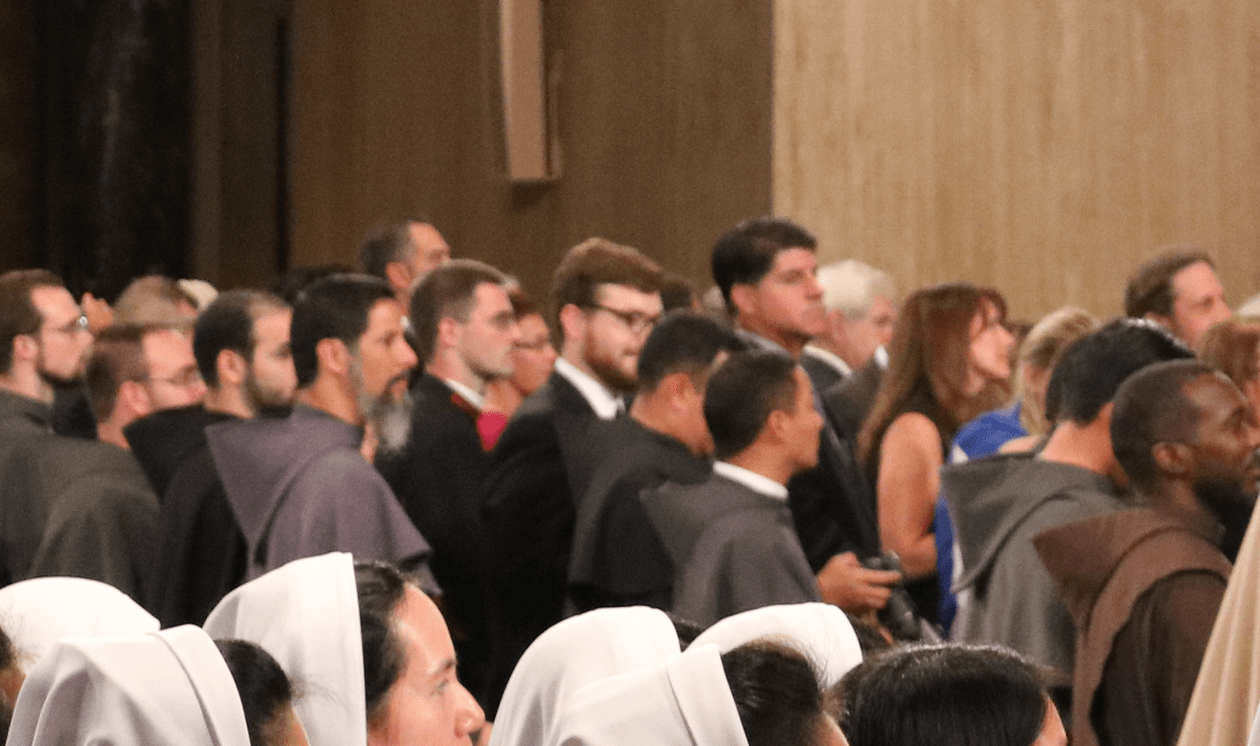
As far as externals go, the habit is the easiest distinguisher because we all have slightly different styles: Dominicans are white, Jesuits have a formal cassock, Carmelites are brown with a scapular and leather belt, Benedictines are black, and the Paulists have a cassock with special buttons, different from the Jesuits. But this form of distinction only goes so far. For starters, many religious do not wear their habits but for special occasions. It makes it very difficult to tell the difference when they’re wearing jeans and their habit is in their closet! But besides that, a habit in itself is but an external sign: it does not articulate any meaningful differences in belief, practice, or spirituality.

For that reason, a much better way to understand the differences between the religious Orders is getting to know their “charisms.” A charism is essentially the personality of the Order, the attributes and preferences of the founder that determine how they prayer, where and how they live, and what they do in ministry for the Church. A charism can be very specific, tied directly to a particular mission such as teaching or medicine, or can be very general, focused on an ideal like hospitality or mission.

This week’s video offers a brief explanation of that concept, a statement about a few of the major religious Orders to serve as contrast, and three aspects I think are integral to the Franciscan charism.

For those on email, the link is here.
As friars, prayer is essential to who we are. You may not think about it much, given the amount of ministry and work we do, but the Franciscan charism is rooted in an experience of God through prayer. We could not do what we do, nor do I think we could find the motivation to even try, if we didn’t start with a relationship with God.

So how to do we pray? The short answer is “any way we feel called.” There is no true “Franciscan” way of praying that all of us do every day. Some pray in silent meditation, others sing loudly as prayer; some focus on relieving their mind of all of life’s trouble through centering prayer, others fill their mind with the words of Holy Scripture. There are devotions such as the Rosary and the Stations of the Cross, and ancient prayers like Lectio Divina. Each friar has his own set of prayers that fill him and guide him back to God.

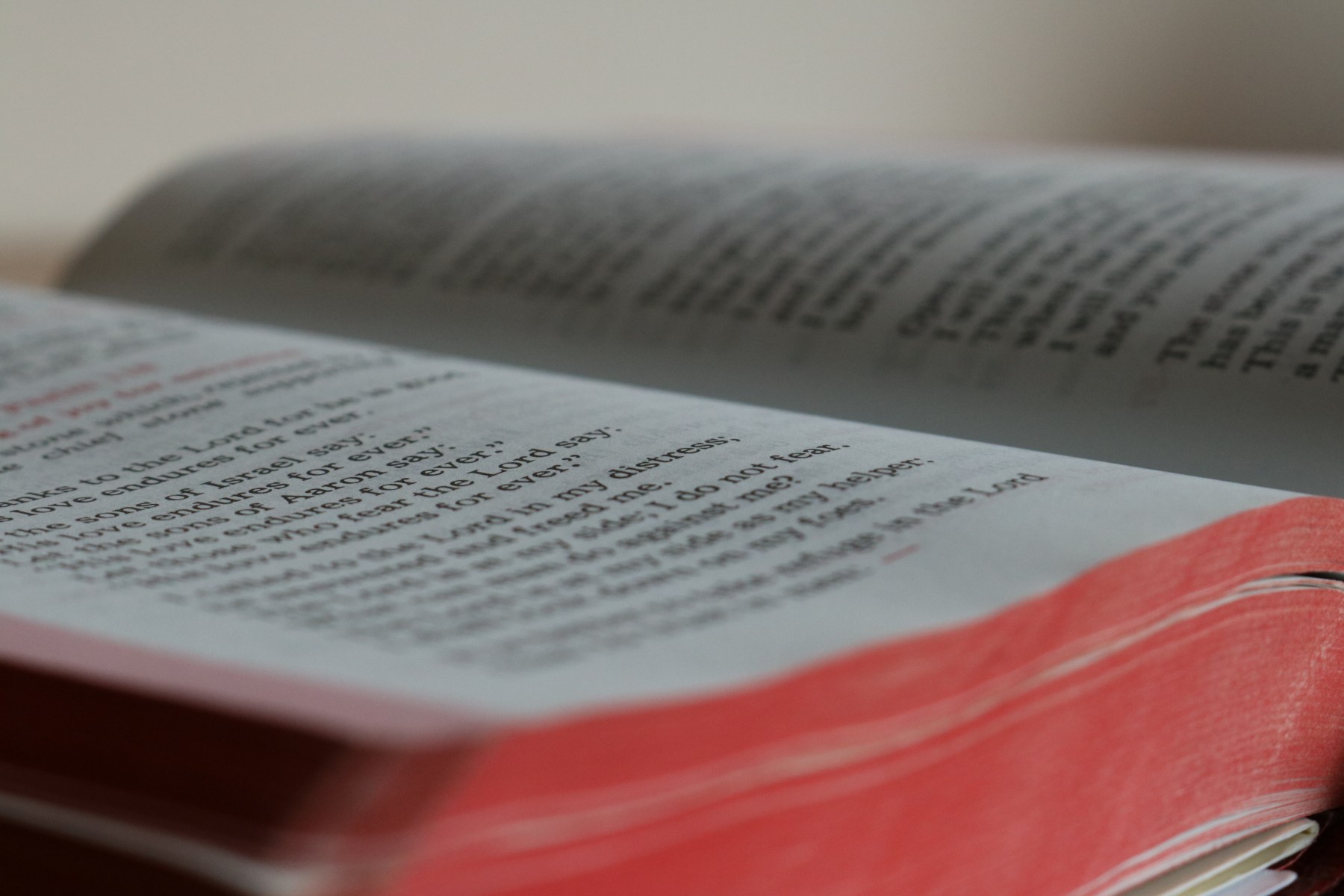
With that said, there is one prayer that unites us all as it is the universal prayer of the Church: The Liturgy of the Hours. Also known as the Divine Office or Breviary, the Liturgy of the Hours is a prayer that pre-dates even the New Testament in its earliest forms. For those who know much about the Mass in the Catholic Church, it is similar in many ways to Liturgy of the Word, as Scripture and prayer are its focus: there is a hymn, multiple psalms and canticles, a reading from Scripture, a Gospel acclamation, and intercessions. The reason that it is called the Liturgy of the Hours is that it designates certain times of day to pray and specific prayers for each hour. In the Catholic tradition there are seven possible times to pray: Morning, Midday (consisting of Mid-Morning, Midday, and Mid-Afternoon), Evening, Night, and the “Office of Readings,” which can be prayed at any time. (This is a lot like the later-developing Muslim prayer, Salat, in which Muslims will stop to pray five times a day.) As religious, we are required to pray the major hours, Morning and Evening prayer, but are encouraged to say one or two of the minor hours as well.

I did my best to share what I like best about praying the Office in this week’s “Ask Br. Casey” segment, but there is definitely a lot I left out! If any of these reasons interest you, you can try praying it yourself using a breviary, downloading any number of cellphone apps (iBreviary, Divine Office, Universalis) or finding the prayers online (Divine Office or Universalis, among others).

Click here for the video.

I’m not sure if you’re heard this or not, but Pope Francis is coming to the United States next week! Yeah, kind of a big deal. As a part of his three-city tour, the pope will be celebrating mass at the National Basilica of the Immaculate Conception where he will officially canonize Franciscan Friar Junípero Serra. For those of you who don’t know, this is especially awesome for us friars studying at Catholic University because the National Basilica is on our campus. That’s right, the pope is coming to my school! I got my ticket in the mail a few days ago, and I will be there Wednesday for the very solemn (and as one can expect, very LONG) occasion.

In commemoration of such a historic event, I wanted to reflect on what the pope means to me. As I began to plan this a few weeks ago, though, I realized that what I wanted to say had less to do with Francis, the current pope, and everything to do with our first pope: St. Peter. Peter is a witness to all of us as Christians, but especially to all who sit in his chair throughout history. It is a marvel that Jesus would give the keys of his Church to a human being, and a miracle that it’s still standing! For me, given some of the popes our Church has seen (look up Benedict IX…), there is no clearer proof that Jesus is still the head that makes it holy, not his human leaders.

So with that said, I give you my reflection video. Some of you might be asking yourself, “Why is he posting a video two days in a row?” or better yet, “Where did he find time to film videos to post two days in a row?” These are excellent questions. All I have to say is that when the pope comes… you make sacrifices. It’s been a busy couple of days, and will most certainly get more exciting as the day approaches!

(Here is the link for those on email)

As a last note, I will be taking as many pictures as I can before, during, and after the event, which is reason enough to head over to Facebook and “like” my professional page, Casey Cole, OFM. If you have a Facebook account, just like this page and you can see all that I’m up to at once!


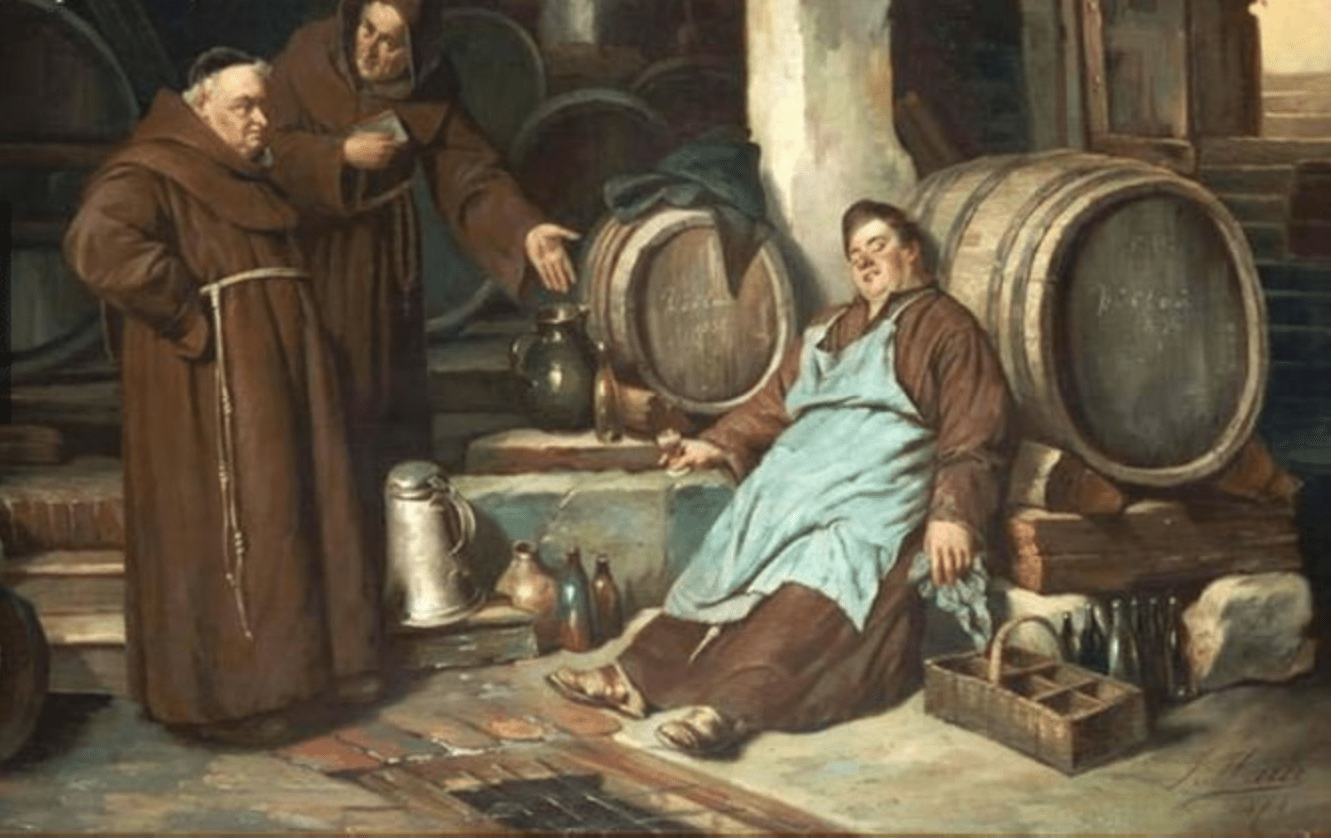
For some, alcohol is normal, if not necessary, part of life associated with happy memories and fun times. For others, it is dangerous substance, associated with pain and abuse, that should be avoided entirely. Both are very real, very important experiences. To say that alcohol is something everyone should share forgets the inability of some to control their consumption or deal with immense hurt caused at its abuse; to prohibit it universally to protect those affected by it forgets the pervasive and arguably inseparable connection it has to most cultures (our own most sacred liturgy requires it and was allowed to continue it even during the American prohibition… that’s how pervasive and inseparable it is!)

Because of this, I have been asked on more than one occasion as a friar, “Are you allowed to drink?” For some, the question is a question of morality, and seeing friars as penitents and holy people, they assume that drinking alcohol is too base of an act for us to engage in.

I assure you, this is not the case.

While drinking alcohol certainly has moral aspects, e.g. financial cost, sobriety, charity, affect on one’s work, inclusivity of those who don’t drink, etc., it is not, in itself, a moral question for Franciscans, nor do I find it to be a difficult question for Catholics in general. In essence, we recognize that it can easily be abused and we want to avoid that, but there’s nothing wrong with a glass of wine or a cold beer among friends. How often that occurs and in what quantity are two very different questions, but to all those wondering if we are still allowed to drink alcohol now that we’re friars, the answer is a clear “yes.”