
Longtime blog followers will know that I have written a lot about the vow of poverty. It is very misunderstood, often neglected, and rarely means much in our practical lives as friars. We are told we must live chastity and obedience without any exception, but poverty? Well… that’s a big more complicated, we say. We sort of “grow into” that one.
On the one hand, I understand why. As opposed to the other two, poverty has an all-encompassing yet difficult to define nature. It involves material possession and acts of will alike, and there is hardly a proper measuring stick to grade one’s performance. While chastity and obedience might be said to be goods in their own right, poverty is more often something we speak about in a negative sense: it is something we must eradicate, and freely taking it on is merely a pathway to something else.
It is also the most visible of our vows, something that people can see (and judge) from the outside without a full picture. Seeing my laptop, camera, house, car, and vacation, some have taken it upon themselves to criticize my life, to call me a fake or a fraud, and to explain to me what true poverty is.
How do you respond to that?
Just like the vow itself, the answer is muddied and complex. In one sense, yeah, people are right. We could do better. This vow is a bit of a joke at times and we just sort of accept that we mean something different than the rest of the world does. We are not poor and can never be poor like those who are financially desperate. Our voluntary poverty often lacks a sense of stress or pressure, and the lack of urgency in living it means that we rarely feel any spiritual effects from it.
And yet, what we profess to live is not abject poverty. What we give up is not the use of material goods. How, really, could someone live without anything? This image of religious life—one of the strictest austerity and deprecation—is not a virtue as much as it is actually an idol, focusing our attention on something that is not God rather than using it to lead us to God. The vow of poverty, if exclusively about the amount of material possessions one owns, runs the risk of turning into a weapon to empower or belittle, to put ourselves above or below others. When its ultimate focus is not what is beyond—a life lived in Christ with humility—it is not longer a vow worth taking.
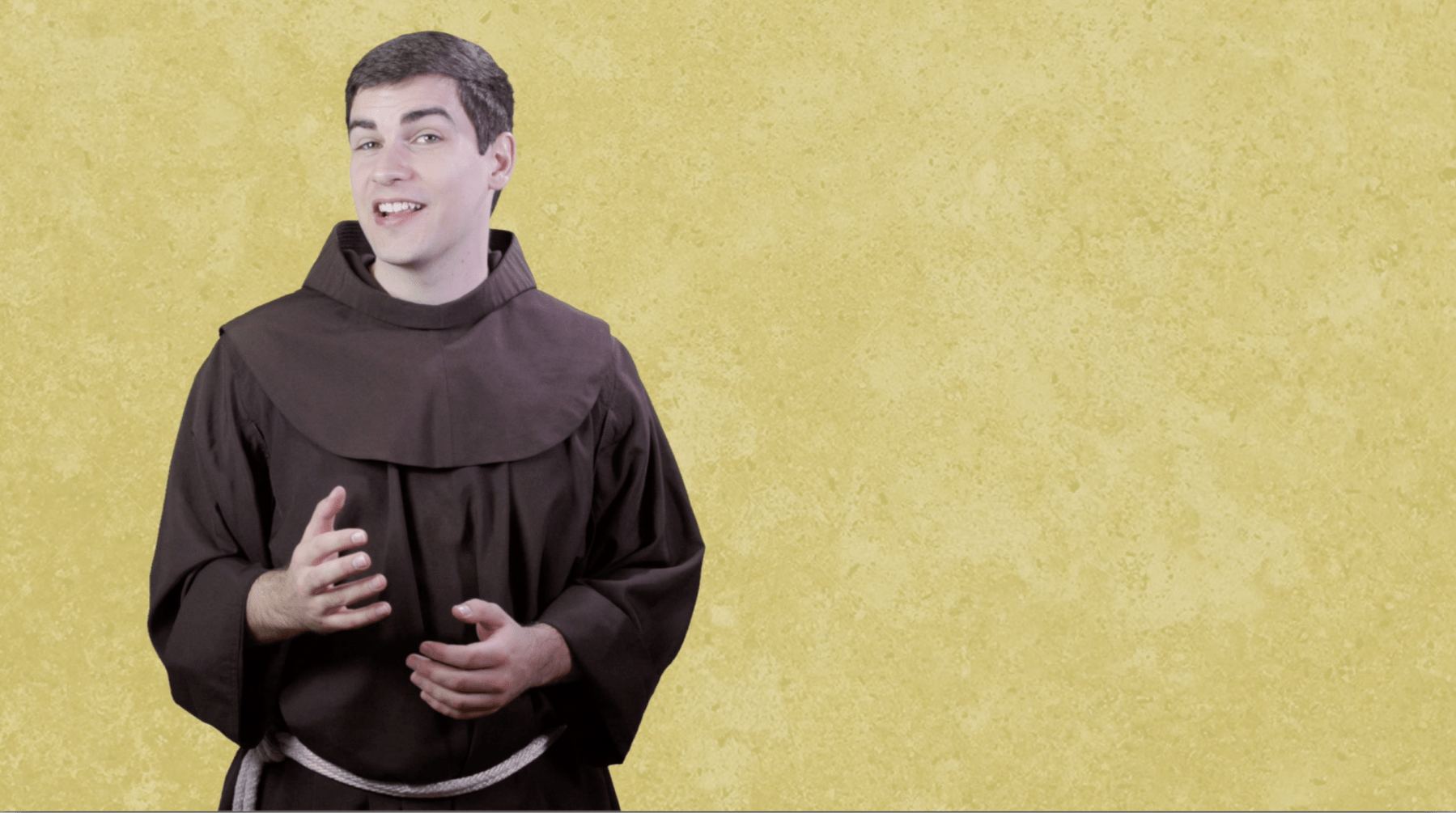
My hope is that this week’s video will help continue the conversation that I have already started here. If you would like to read more about this topic, below you will find links to a four-part series I wrote a number of years ago.
My Struggle With Poverty
Why Poverty?
How To: Poverty
My [Continued] Struggle With Poverty



 Breaking In The Habit