All throughout Scripture, we find extraordinary events revealing the wonder and power of God. The Red Sea is parted; the loaves are multiplied; people are healed; battles are won; a people are set free. For many of us, believing in miracles is somewhat commonplace… Miracles are a pretty foundational part of our faith.
And yet, while we all may have a sense of what it means and what it’s purpose is, trying to actually define a miracle, with sound theological and philosophical logic, serves a bit more difficult a task.
That is the topic of this week’s “Catholicism in Focus.” Looking to three common definitions, what we see is that each has some theological foundation and popular appeal, while at the same time presents some unanswered questions and leaves us searching for more. That, I think, is the definition of a mystery. The more we learn, the closer we get to God, and the more we realize that what we know is not the whole answer. We dive into this question not with the hope of containing all of God’s mystery, to answer the question and move on, but to be a part of the process of entering into God’s very self.
Maybe you have your own definition beyond these three. Feel free to share it in the comments or continue the conversation by posting this in social media with your own theology!
“For where two or three are gathered together in my name, there am I in the midst of them.” Often spoken at the beginning of prayers, this passage from Matthew’s Gospel reminds us that our God is truly with us. Emmanuel he is called. More than a sentiment, more than wishful thinking, when we gather for prayer, God is truly with us.
But how? And why?
Often, I think we imagine this passage as a designation of the criteria necessary for Jesus to show up, as if he were saying, “I’ll be there if you get a few people together.” Once the requisite number is gathered, then Jesus will also come. But what if he meant something else by this? What if what he was trying to tell us was that, since Christ dwells in us and gives us life, when we gather together Christ is with us simply by virtue of us being together? In other words, since together we form the body of Christ, then when we gather, for any reason, Christ is with us in one another.
I think this is a critically important part of our faith. As much as we might see a transcendent experience with God in silent prayer or liturgical action, a direct encounter with God in Godself from on high, we must never forget that God is also present to us in the immanent. We experience God when we sit down for dinner, when we encounter a stranger, when we fight with our spouse, when we work with colleagues, and even when we shed a tear with a friend. When two or three are gathered, no matter the circumstance or purpose, Christ is with us.
What an amazing joy! When believing in a God that is neither visible nor physical, when we often find transcendent experiences of God far and few between, knowing that God is still among us is critical to maintaining our faith. In fact, some might even say it is essential to finding it in the first place. As much as we use words like relationship, sacrifice, love, devotion, patience, and forgiveness in reference to God, how could we ever use them in reference to God in any meaningful way had we not experienced and lived these words in our earthly relationships?
For me, it’s a reminder that God is present to us always—not just in our prayer, and maybe not even initially in our prayer—but rather through every encounter we have each and every day. It is our relationships with our friends and family, how we treat the people around us and show them love, that we find the very understanding of these concepts in the first place to know how to relate to God.
This Lent, we are called to share our lives with others. We are called to be in relationship, to give love, to offer sacrifice, to be patient, and to build community—not because we need new friends or something to do—but because it is in our being together that we make God present in the world and show the world what the love of God truly means.
You know what they say: “You can’t win the lottery without buying a ticket.” It seems fairly obvious, right? How could one ever expect to win without actually entering the contest; how could one expect to succeed without even trying?
And yet, that is what so many of us expect when it comes to our faith. Feeling distant from God and disconnected from a faith community, I hear many people complain that their faith just isn’t very strong. When I ask what they’ve tried or what they’re struggling with, many simply reply “nothing.” Well… that might be your first problem.
Just as you can’t win the lottery without buying a ticket, you can’t improve your prayer life by not praying.
Like anything else, faith and prayer do not come naturally and we’re not necessarily good at it at first. It takes practice and hard work and patience. But most of all—maybe first of all—it takes showing up. As much as faith is a gift of God and as much as we cannot control how God will respond to us, we absolutely can control how openly and readily we show up to God.
Because really, God is always showing up to us. When we’re comfortably and content, God is there. When we’re proud and arrogant, God is there. When we’re lonely and tired, God is there. God is always there, showing up to us, waiting for us to show up to him.
This Lent, make why not show up to God a bit more? Why not make your prayer one of fidelity, a steadfast commitment to spend time with God no matter what is going on in our lives? It may not sound like much, but sometimes it’s the simplest things that we forget that can make the biggest difference.
If you’re interested in buying my new book, Called: What Happens After Saying Yes to God, I just found out yesterday that it has left the printer and is ready to be purchased! You can click here to find it on Franciscan Media’s website.
Yes… I’ve lost it. (In more ways than one actually!) This is yet another video for the week. Not only am I posted new episodes of Catholicism in Focus on Mondays and Lenten reflections on Fridays, it would appear that I have, for some reason, decided that this wasn’t enough. Yes, this is a mid-week vlog coming at you!
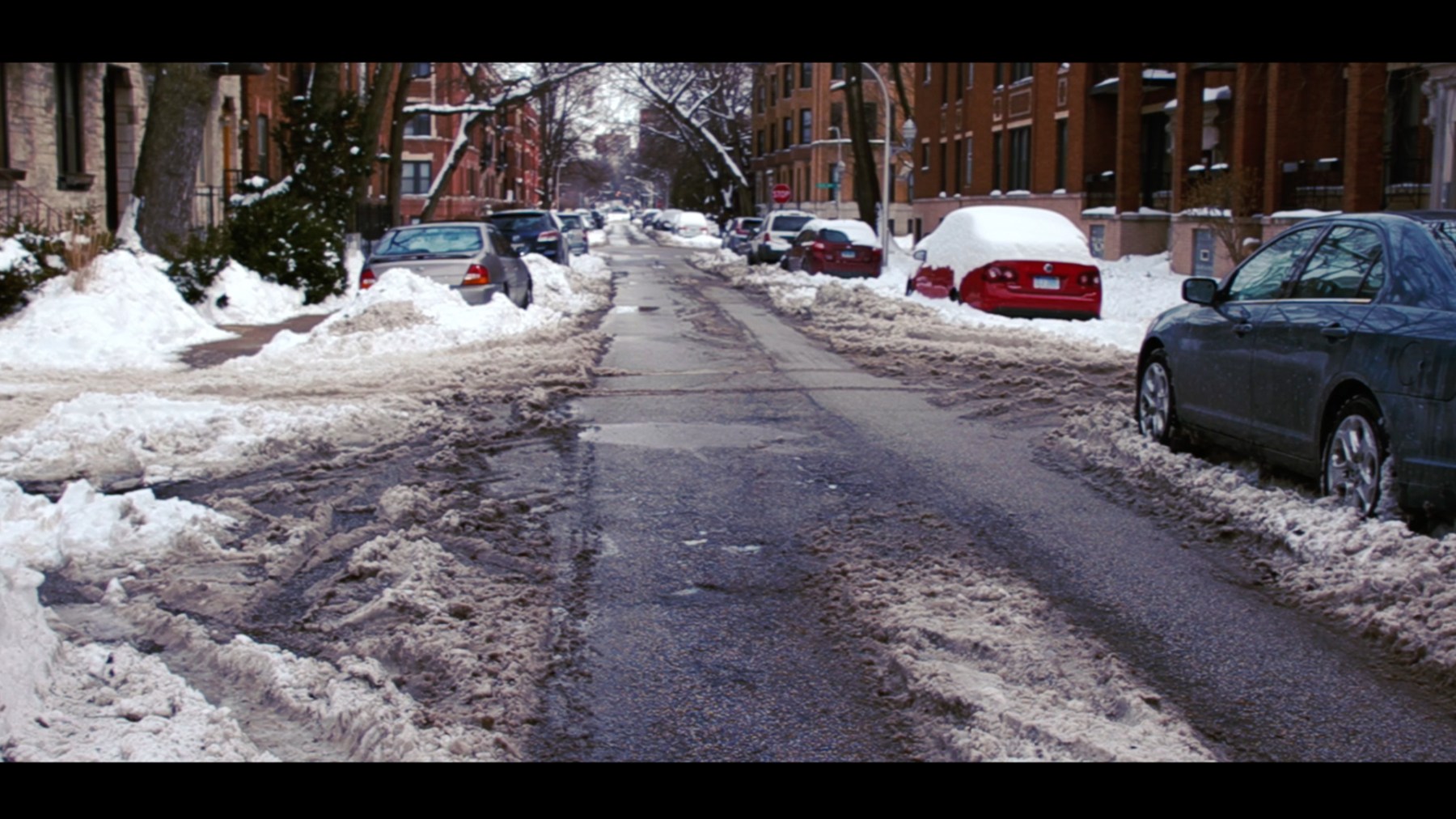
The topic of this week’s video? My recent trip to Florida. Ahh… yes… doesn’t that sound nice right about now for all those who are snowed in? When I left Chicago it was 17 degrees; when I arrived in Florida it was 71 (and got up to 82!) I would say that is an improvement.
But lest you think that this video is about taking a vacation or running from my vocation, think again! Anything but! From Saturday to Wednesday I joined Good Shepherd Parish in Tallahassee, FL for their lenten mission, speaking at all of the masses, joining a few parish community groups for meetings and talks, and giving two hour-long session talks to the parish community.
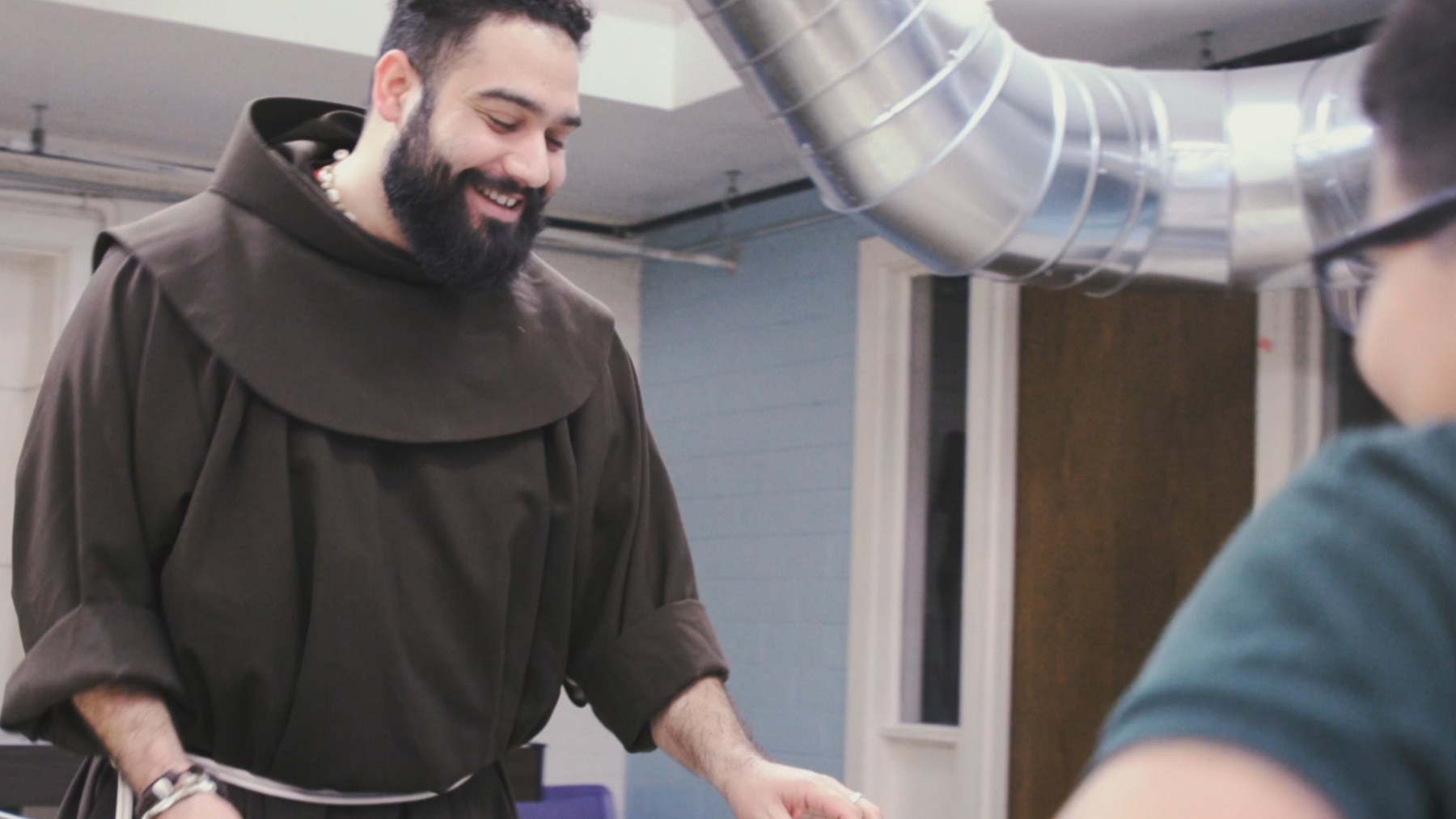
All in all, it was fantastic, and I had a great time. If nothing else, I think this video offers yet another glimpse into my life as a friar, living an itinerant life of evangelization. I wouldn’t trade it for anything!
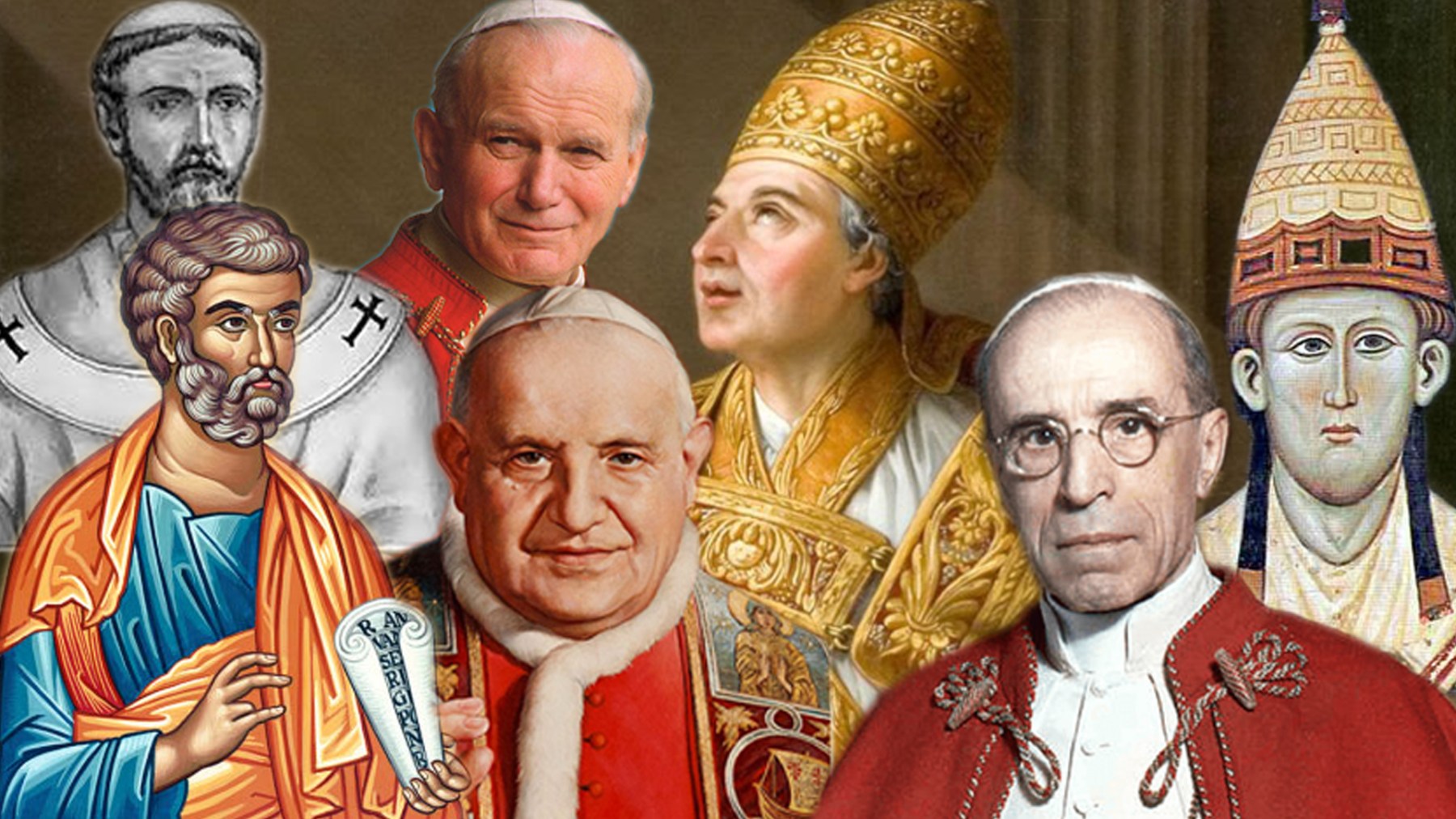
Among the many differences that Catholics have with Christians of other denominations, there is likely none greater than the pope. A symbol of Catholicism itself, the papacy is easily the most recognizable, distinguishable, and controversial aspect of our faith, offering us a sense of identity against all other Christians. Interestingly enough, it is the only part of our faith that we can claim solely as our own; while we may debate with others on things like the Eucharist, Mary, moral theology, and scripture, every one of our beliefs, except the papacy, is shared with at least one other tradition. It is, in a way, what defines us as Catholics.
Which is both affirming and startling at the same time.
As a Catholic, I find the papacy to be not only an authentic gift from Jesus but also a necessary aspect of effective leadership. I can’t imagine a Church without a head. And yet, I also know that the history of the papacy is long and varied, developed over time, and does not look anything today like it did in the early Church.
And yet, it leaves us with many unresolved questions. Is the papacy truly the most important part of our fait or simply the most different? Why, in a world with over a billion Christians, are we the only ones who accept this doctrine? How are we to work for Christian unity when this issue stands as such a divisive determiner of identity?
This was the motivation for this week’s Catholicism in Focus: Where Did the Papacy Come From? For something as important and controversial as the papacy, it would seem to be in our best interest to know where the doctrine comes from and why we continue to hold to it.


 Breaking In The Habit