Bible Overview: What is it all about?

As most people know, the Bible is less of a book than it is a library. Consisting of dozens of books from different authors written at different times for different purposes, it is hardly a cohesive work. Add this to the fact that the final editors decided to group the books together thematically rather than chronologically, and there is no way to keep everything straight.

Which is why, a) reading from Genesis through Revelation is such a difficult task and many people give up along the way, and more importantly, b) most people have no idea how the stories all fit together. Especially for Catholics, who tend to get most of their Scripture from the Lectionary of Mass (and do little reading at home…) there is a disjointed nature to it all. We have all of the stories, yes, but we have no chronology. No narrative. No overarching story holding everything in place.

In this Catholicism In Focus, I hope to demystify the Bible and make it more approachable. When you have the general structure and know where it’s going (think, reading the Cliffnotes), all of the details become easier to understand. The Bible may not be a cohesive work, but the story of salvation is definitely clear.

During Lent, and especially on Good Friday, many Catholics pray the stations of the cross. It is among the most popular devotions in the whole world, ranging in style and content from place to place.

But where did this devotion come from, and how did it develop over time? Interestingly enough, the Franciscans had a lot to say in answering both questions.

If you’re interested in praying the stations at home, I recommend a number of resources to you. The first is the USCCB’s website that includes multiple versions of the prayer. Catholic Relief Services has produced a version that connects our prayer to the suffering and poverty of our world. As I mention in the video, there are also Marian versions of the devotion, following the events from her perspective. And, honestly, there is a lot of leeway to create your own. A parishioner just sent me a “coronavirus themed” version that reflects on the current situation in light of Christ’s passion. The point of the practice is to mediate on the events of Christ’s death in a way that makes sense to us, and so I say, “be creative.”

Is there anything wrong with being rich? This is America. And in America, we reward hard work and ingenuity. You can be anything and anyone you want, right, as long as you work for it. If you work hard enough and have enough skill, you deserve everything you get. Millionaire? Billionaire? Richest person in the world? This is the sign that you have worked hard, and everything you earn is rightfully yours. No one can take it away from you.

Okay. But what if that person is a Christian?

The question of what we do with our money is arguably the most important issue found in the entire Bible (in the Old Testament, second only to the issue of idolatry.) More than an insistence on peace, more than politics, far more than sexual ethics, Jesus spends most of his earthly ministry caring for the poor and preaching about wealth. He tells his disciples how they are to approach it, preaches against the rich, and raises up the poor. Truly, if there is one thing that Jesus cares about more than anything else, it’s what we do with our money.

Understandably, then, the Catholic Church has a few things to say on the topic. Drawing from the social encyclicals, papal pronouncements, and ecumenical council documents, this week’s Catholicism In Focus offers a brief overview of the Church’s stance on but one economic topic: private property.

Can a Christian be rich? In general, the Church has no problem. But it definitely depends on what one does with their riches.

Most of you are probably well aware of this, but there are Christians in the world that hate Catholics. They don’t just disagree with our teachings, they do not think that we are Christians, and believe that we are nothing liars and deceivers.

Oh, and they’ve got the “scriptural evidence to back it up.” Because, you know, we don’t read the Bible and have no idea what’s in it.

One of the most common attacks we hear comes in regards to most famous title for a Christian leader: “father.” According to them, it is against the teaching of Jesus. Quoting Matthew 23, they point out that Jesus said “call no one father,” evidence that Catholics don’t care about Jesus’ teaching.

Of course, the Bible is absolutely central to our faith as Catholics. We would never disobey Jesus is such a blatant way. There must be more to the story than what appears on face value!

Hence, this week’s episode of Catholicism in Focus. Enjoy!

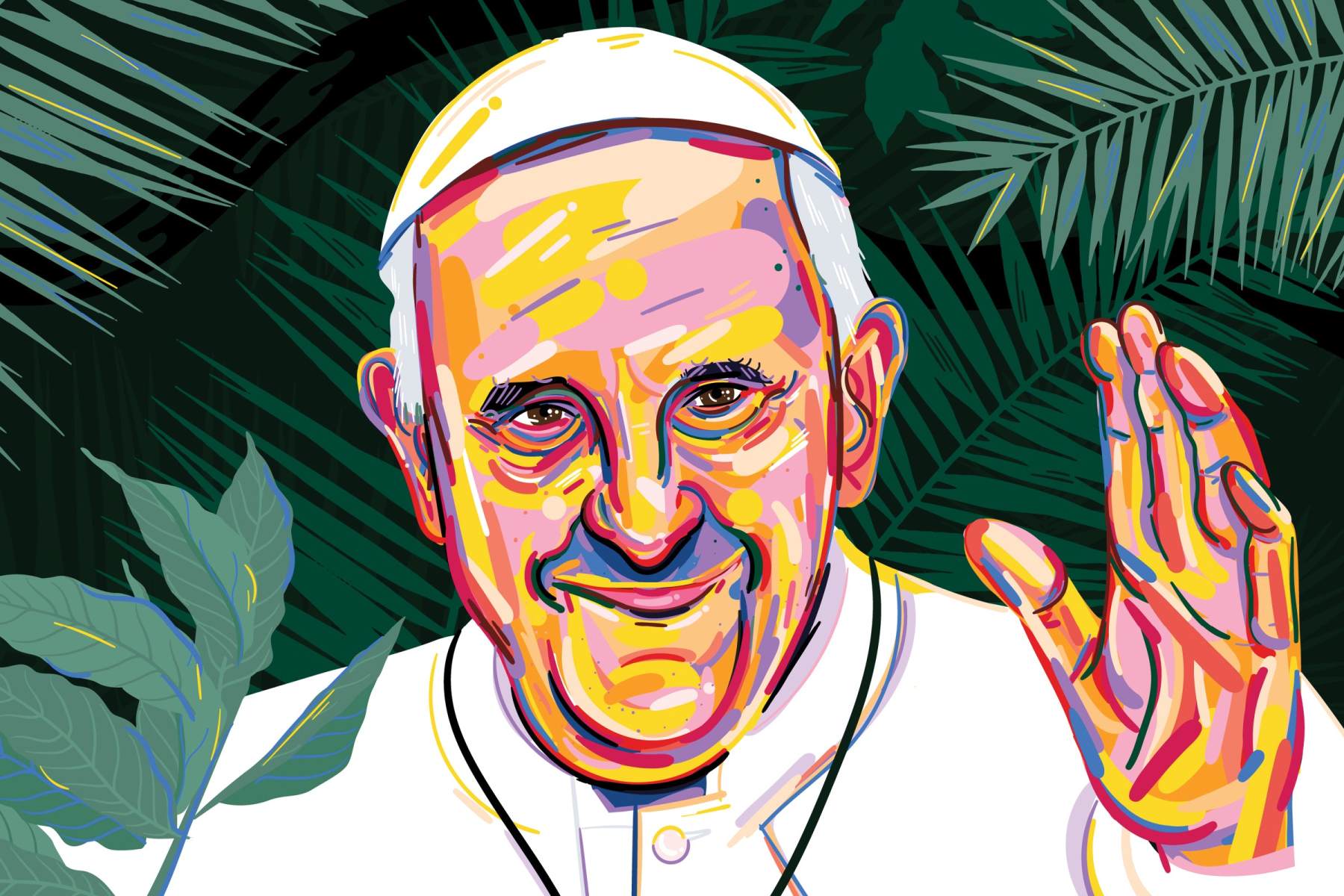
If you’ve followed Catholic news much over the past year, you know that there has been a lot of attention give to the Amazon region. Pope Francis convened a synod to explore the needs of the people and what the Church should do in response.

On most people’s minds, there was only one question that mattered: will the pope allow married men to be ordained priests in a region that desperately needs sacramental ministers? This is what the news covered almost entirely, and so for many people, it was seemingly the only issue at hand.

Thus, when Pope Francis remained silent on the issue, many moved on without giving much attention to the post-synodal document. This is a shame, to say the least.

In this week’s Catholicism In Focus, I unpack what the pope actually did say, and why it matters to us. It is a short document (relatively speaking) and so I strongly encourage everyone to read through it yourself. You can find it in its entirety here.