Yesterday was just like any other day. I woke up around 6:30, prayed morning prayer with the brothers, and went to Catholic University for many hours. Oh, and how could I forget? We ordered pizza for dinner because we didn’t get home until 8:30. Other than that, pretty normal.

Said no one in D.C.

Yesterday was one of the craziest, most chaotic, exciting, and uncomfortable days of my life. Yes, I got to see the pope. From less than 15 feet away, actually. But the day was much more than just that. It was an adventure.

Our day started at 10:00 when five of us left Holy Name College for downtown. I would like to point out that the mass did not start until 4:15… This selfie, taken by Michael Reyes, OFM and posted by Christian Seno, OFM, was picked up by CNN and NBC and allegedly aired on television. We’re famous!
12042991_1659369094307139_4599877105188709193_n

Because the whole area was a mess, and because the DC Metro is not known for its reliability or success in keeping trains from catching on fire, we parked at the Franciscan Monastery of the Holy Land and walked the few blocks up to campus. Or that was our plan, at least. This picture was taken when we were just a block away and thought we were almost there.
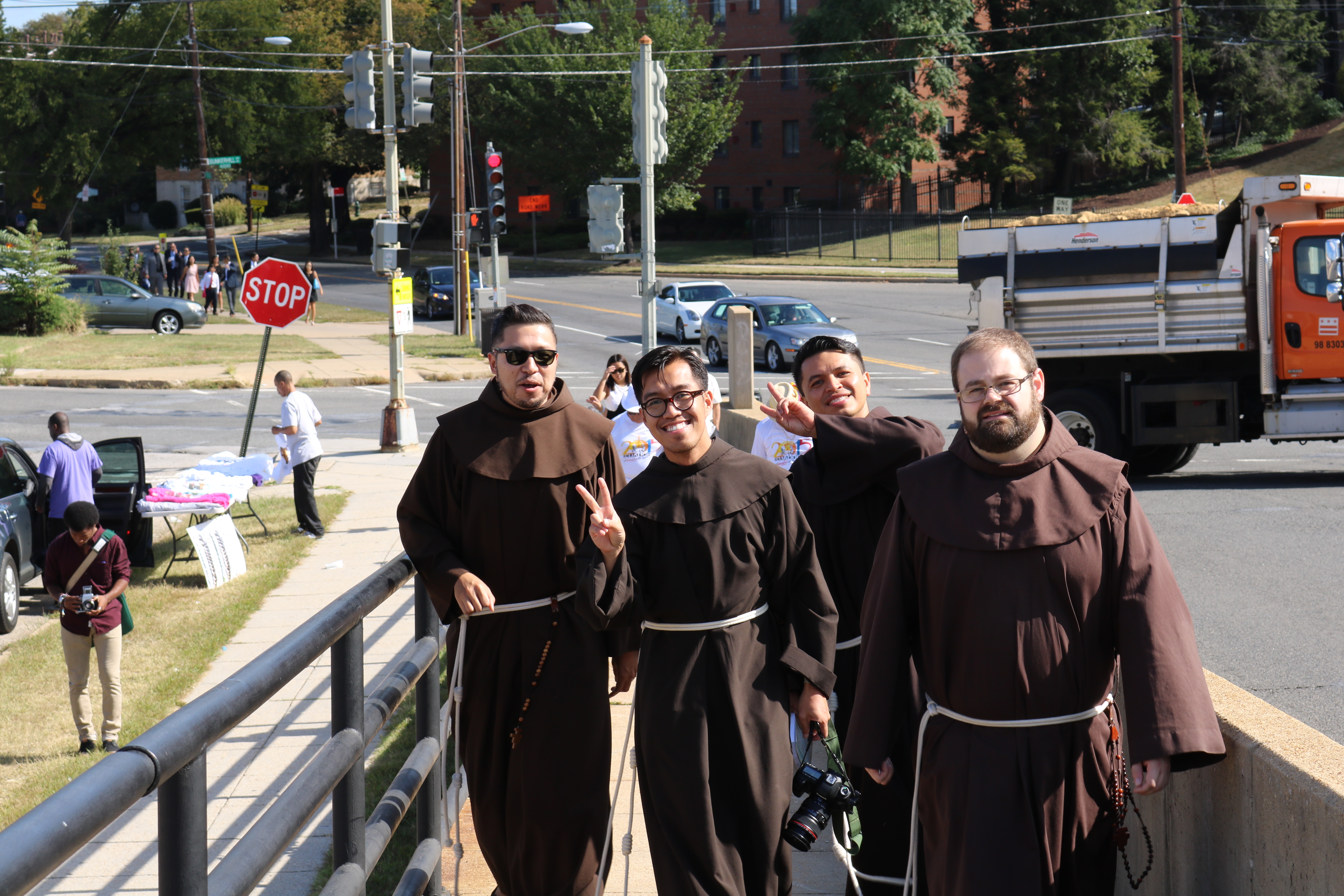
IMG_0810

This was our view on the other side of the bridge. Yikes! There were four entrances designated by color on one’s ticket. We needed to get to the purple gate, on the other side of this mess, but were obviously not allowed through this mess. So… we walked to the left and completely around. Total, we walked about 2.36 miles, not 100% sure if we were going the right way until we arrived.

IMG_0814

When we arrived, we were disappointed to find two things: the line was equally as long and slow-moving as the other gate, and they were accepting all tickets at all gates, so we walked for 40 extra minutes for no reason. The line was unbearable slow, taking between one and two hours to make it through.

IMG_0822

There was one perk to waiting in line, though. There amidst the crowds was Cardinal Tagle of the Philippines, patiently waiting with everyone else and graciously speaking and taking pictures with anyone who asked. There is a reason that he is so liked and why many believe his humility could land him a job in the Vatican after this Francis guy is done…

12002438_10154433748583561_5683227384027695301_o

Eventually we made it in, along with 25,000 of our closest friends. It was a beautiful day, and the energy was just wonderful. I didn’t particularly like to see all of the venders around selling trinkets and merchandise–I’m not sure how Pope Francis would feel about being the literal face of consumerism–but it was incredible to so many excited people.
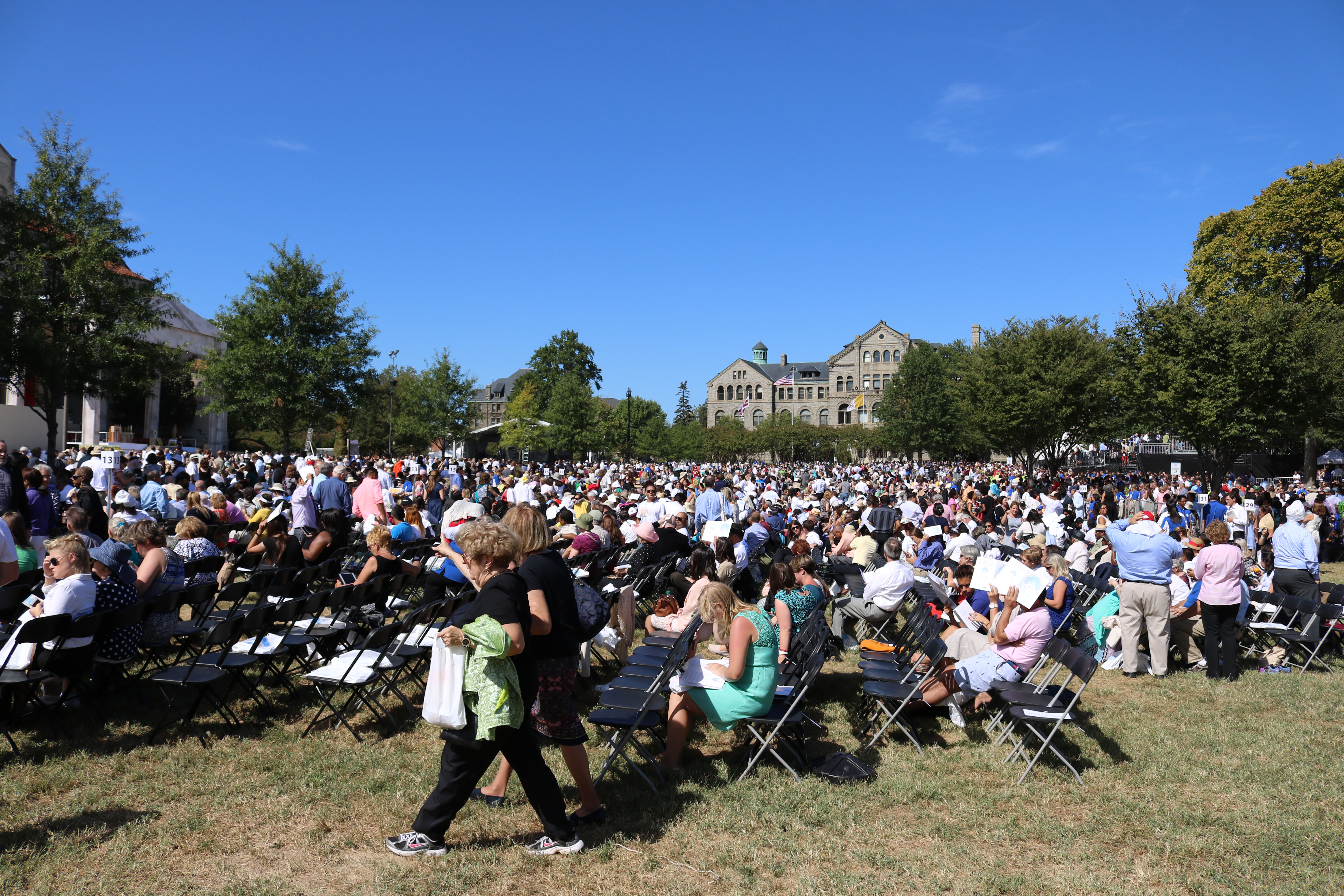
IMG_0892

As seminarians and religious, our seats were inside, a bit of an irony on two levels: they were the most comfortable due to the air conditioning (something that Francis would probably not reserve for the shepherds!) and the farthest away from the actual mass, which was outside. Where we sat was off to the side, and so we couldn’t see him processes in…

IMG_0971

…but we did get to see him process outside! Where we were sitting was only four rows from where Pope Francis walked by to celebrate mass; we were within 10-15 feet from him!

IMG_1033

As far as the mass goes, it was pretty nice. I’m definitely not one for pomp and circumstance, and some of the ritual just seemed intentionally over-the-top, but there were definitely some amazing things I doubt we would have seen with the previous two popes, being from Europe. The mass was in Spanish, not Latin, and many of the songs represented Latin American culture. There were definitely high Latin aspects of the mass, songs set to the organ and chanted responses, but there were also powerful Latin-American songs that seemed to be more “of the people,” if I may. (This song, for instance, was written and performed by the music director of our Franciscan parish in Silver Spring, MD.) His homily was also quite good.

Overall, there was a lot to love about the day. We got to meet a few cardinals (saw Cardinal Seán again), had a close-up view of the pope, and we got to experience not only his first mass in the United States but the first ever canonization mass on American soil (and it was a Franciscan, fitting given that the first mass ever celebrated on US soil was by a Franciscan). And that was all great for sure. The highlight of it all for me, though, was definitely seeing the people all around. I can’t say that I’ve ever seen anything quite like it. Yeah, I’ve been to professional sporting events. Yeah, I went to the “March for Life” last year. But this was something else.

At this point I can’t fully describe what it was like, and by no means do I want to elevate it beyond some of the truly transcendent and personal moments I’ve had in my life, as, let’s be honest, there are far more meaningful things to life than the pope visiting (at least I hope!)… but I will say, it was an inspiring and exciting day, brought to us by a man that continues to inspire our Church to be who we are meant to be as Christians. This pope gives me hope!
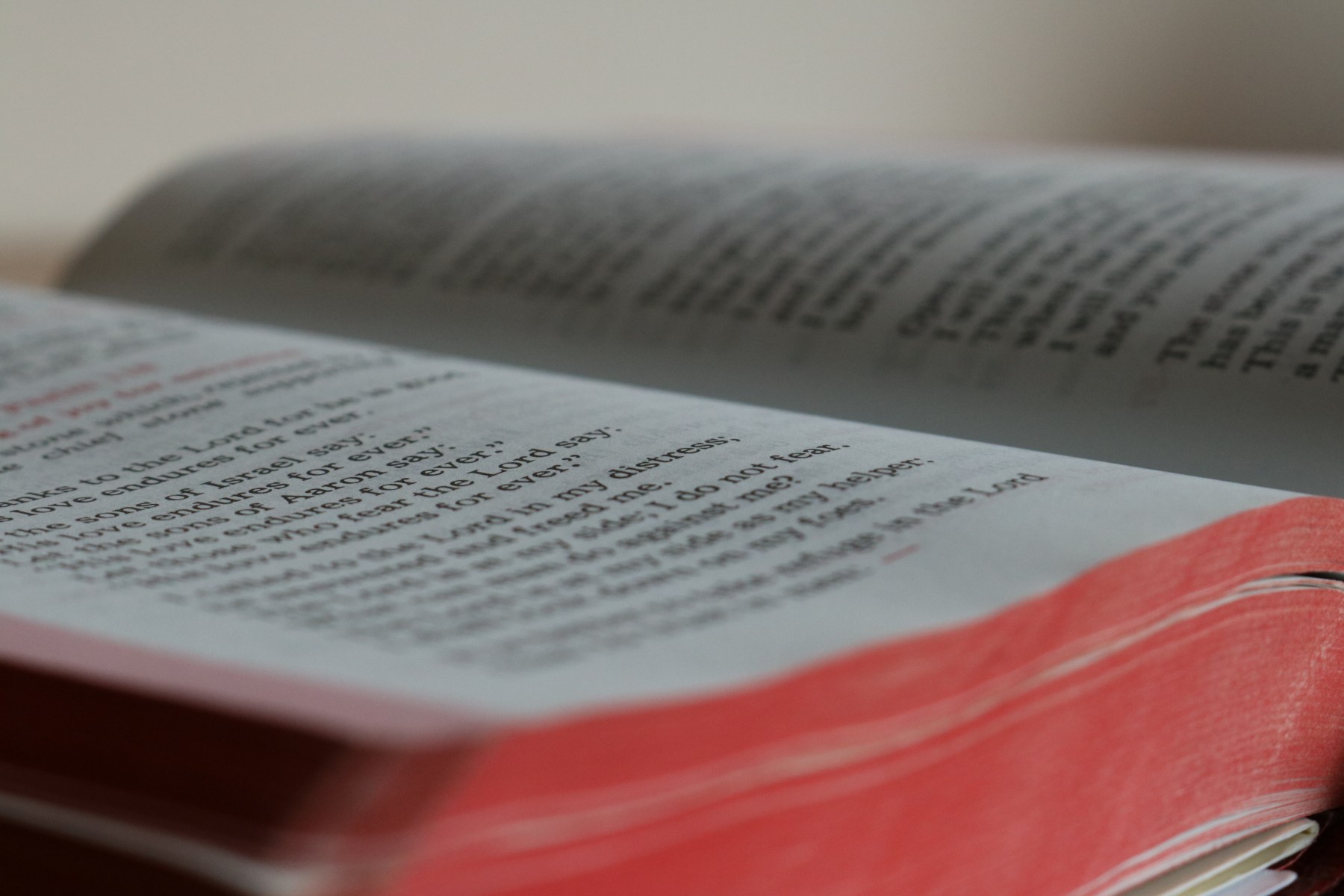
 

As friars, prayer is essential to who we are. You may not think about it much, given the amount of ministry and work we do, but the Franciscan charism is rooted in an experience of God through prayer. We could not do what we do, nor do I think we could find the motivation to even try, if we didn’t start with a relationship with God.

So how to do we pray? The short answer is “any way we feel called.” There is no true “Franciscan” way of praying that all of us do every day. Some pray in silent meditation, others sing loudly as prayer; some focus on relieving their mind of all of life’s trouble through centering prayer, others fill their mind with the words of Holy Scripture. There are devotions such as the Rosary and the Stations of the Cross, and ancient prayers like Lectio Divina. Each friar has his own set of prayers that fill him and guide him back to God.

With that said, there is one prayer that unites us all as it is the universal prayer of the Church: The Liturgy of the Hours. Also known as the Divine Office or Breviary, the Liturgy of the Hours is a prayer that pre-dates even the New Testament in its earliest forms. For those who know much about the Mass in the Catholic Church, it is similar in many ways to Liturgy of the Word, as Scripture and prayer are its focus: there is a hymn, multiple psalms and canticles, a reading from Scripture, a Gospel acclamation, and intercessions. The reason that it is called the Liturgy of the Hours is that it designates certain times of day to pray and specific prayers for each hour. In the Catholic tradition there are seven possible times to pray: Morning, Midday (consisting of Mid-Morning, Midday, and Mid-Afternoon), Evening, Night, and the “Office of Readings,” which can be prayed at any time. (This is a lot like the later-developing Muslim prayer, Salat, in which Muslims will stop to pray five times a day.) As religious, we are required to pray the major hours, Morning and Evening prayer, but are encouraged to say one or two of the minor hours as well.

I did my best to share what I like best about praying the Office in this week’s “Ask Br. Casey” segment, but there is definitely a lot I left out! If any of these reasons interest you, you can try praying it yourself using a breviary, downloading any number of cellphone apps (iBreviary, Divine Office, Universalis) or finding the prayers online (Divine Office or Universalis, among others).

Click here for the video.

As a part of our priestly formation at Catholic University, each student is required to take what is called “Basic Supervised Ministry,” an intense, year-long course combining ministry experience and academic reflection. For most of us, that means taking a shift each week at a local hospital visiting patients and serving as a chaplaincy intern. The experience is often well out of one’s comfort zone, and can be a time of both revelation and stress.

I apparently wasted no time with both.

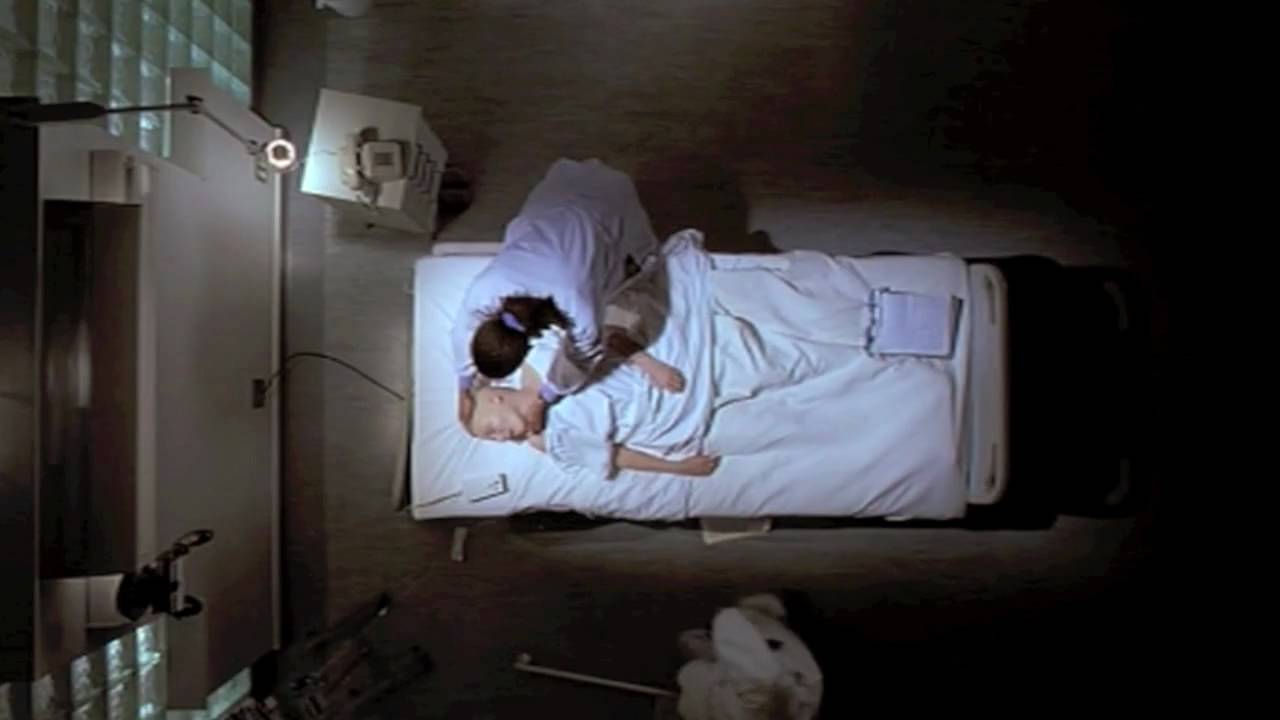
On my first day, I visited a patient that was very near to death. When I came to his room, he was unconscious, and his wife indicated that it would not be long before he was gone. It was obvious. In the bed before me was someone sick and weak, entirely dependent on the outside world to survive. There was very little to see in that bed.

And yet, there was something profound about the experience. In just the few seconds I spent in his room, I felt something come over me. I couldn’t say exactly what I was feeling at the time, but when I looked at this tired old man, beyond the years of being respected and “useful,” I thought about how he must have been at one point. Sure, he was a withered old man now, but wasn’t he a child at one time, full of energy and optimism? Wasn’t he a young man at one time, in love and eager to take on the world; mustn’t there been a time in his life when he was so very sure of himself, capable and able to take on the day? There had to be more than this shell of a man I saw.

As it was a busy day of orientation, I didn’t think much more of him until later that evening when another friar and I watched the movie Wit. A homework assignment for our ministry class, Wit is a movie about a renowned and confident professor who develops and eventually dies of cancer. Through the process of following this woman’s struggle with aggressive, experimental treatment methods, the viewer comes to understand know the great physical pain and emotional trauma one goes through in such a situation. Emma Thompson’s performance was so raw and so technically precise that I wanted to look away at times… but I couldn’t. Her portrayal was absolutely chilling. Award-worthy if you ask me.

But it is not her pain that made this movie so relevant to my experience earlier in the day, it was her existential crisis. Through numerous flashback scenes and monologues, the viewer is made aware from the beginning that she is no ordinary woman. Not only a professor at a distinguished university, she is a renowned research scholar with countless publications and accolades. To say that she is “brilliant” does little to appropriately distinguish her from her inferior colleagues. From her perspective (and the perspective of the viewer), her identity is defined by her long life and many accomplishments; cancer was but a footnote to how she understood herself, an afterthought on an otherwise noteworthy life.

But this is not who she is in the hospital. To the medical personnel, her primary identity is as a cancer patient. As such, she is seen and treated like all of the other patients: with concern and dignity, but as an utterly sick and weak person, entirely dependent on the outside world to survive. Having no knowledge of her life prior to treating her, they do not glory in her brilliance or fear her reputation; they simply see a bald-headed, toxic-ridden body that had little-to-no chance of survival. From their perspective, and there’s no way you could blame them for this, her identity is intrinsically linked to having cancer, and their association with her reflects this. It was as if her life began when she entered the hospital doors and her life was defined by who she was there.

On an existential level, this aspect of the movie tore me up. There she was throughout the movie, a woman filled with an entire world of unique memories, having lived through trials and fears, joys and despairs and eventually making a reputation of greatness and incredible self-worth for herself… completely unnoticed and treated like anyone else. No one, even the one who treated her nicely, saw her for who she was at her best; they saw her for who she was at her worst, a cancer patient. How painful this must have been emotionally. How lonely she must have felt. How insignificant her life seemed to become. The way she narrated and acted with those in the hospital all but cried out, “This is not who I am! Don’t you know this? I’ve lived fifty years of greatness and all you see is me at my weakest, me at the end! This is not who I am!”

Isn’t that so true? Who of us is at our strongest when we are at a hospital? Who of us is at our best when we are sick? One might say that it is exactly the opposite: to go to a hospital is to be at one’s most vulnerable, to admit sickness, brokenness, and need for healing. We are hardly who we are at our weakest state.

It was with this that my experience from earlier in the day came flooding back to me. Like the professor in Wit, I thought about how emotionally painful it must have been in his situation. I thought about how embarrassing, even, it must be to be a grown man with seventy years of accomplishments and experiences and yet have people see him for only the person he was in the moment, the weak, helpless man on his deathbed. Everyone who casually walked in and out of his room saw one man, but is that really the man he thought of himself to be? I hardly think so. How difficult it must be to be faced with such an existential crisis at such a weak time. “Doesn’t anyone know the real me?”

I can hardly fault the doctors or nurses for how he must have felt as their preoccupation is clearly on medical issues. One could even argue that they are simply not trained to deal with such issues. In fact, I’m not sure if I would want my doctor to know the deepest desires of my soul. But in that situation, I would definitely want someone to know. And so many do. In situations like these, so many people just want someone to talk to, someone to hear their story, to walk with them through their fears and pain. At their weakest point, they just want someone to affirm that they have not always been this way, that their lives and self-worth are so much more than their experience in the hospital.

As ministers, this is what we are training to do. While everyone we meet will obviously not be on their deathbed facing a dramatic existential crisis, so many will be faced with issues they’ve never had to deal with before. Insecurity. Fear. Doubt. Weakness. Boredom. Regret. Pain. Disillusionment. The list could go on. As ministers, it is our role to be with them, to hear them, and to restore hope in them.

And this is by no means easy. In fact, I imagine it will be the most difficult thing I do in my life. But I think I learned valuable lesson on my first day: the first step in helping someone restore hope is to discover and lift up who the patient knows him/herself to be at their best, not who they are at their weakest, sitting before us. If all we can see is the sickness or infirmity effecting the person, we will never be able to see the whole person before us, and thus, we will never be able to help them in the way they need. That’s quite a lesson to learn on the first day, and quite a task for the year. But if God can use an unconscious man to speak to me so well on just the first day, I know that God is capable of working through even me.

I’m not sure if you’re heard this or not, but Pope Francis is coming to the United States next week! Yeah, kind of a big deal. As a part of his three-city tour, the pope will be celebrating mass at the National Basilica of the Immaculate Conception where he will officially canonize Franciscan Friar Junípero Serra. For those of you who don’t know, this is especially awesome for us friars studying at Catholic University because the National Basilica is on our campus. That’s right, the pope is coming to my school! I got my ticket in the mail a few days ago, and I will be there Wednesday for the very solemn (and as one can expect, very LONG) occasion.

In commemoration of such a historic event, I wanted to reflect on what the pope means to me. As I began to plan this a few weeks ago, though, I realized that what I wanted to say had less to do with Francis, the current pope, and everything to do with our first pope: St. Peter. Peter is a witness to all of us as Christians, but especially to all who sit in his chair throughout history. It is a marvel that Jesus would give the keys of his Church to a human being, and a miracle that it’s still standing! For me, given some of the popes our Church has seen (look up Benedict IX…), there is no clearer proof that Jesus is still the head that makes it holy, not his human leaders.

So with that said, I give you my reflection video. Some of you might be asking yourself, “Why is he posting a video two days in a row?” or better yet, “Where did he find time to film videos to post two days in a row?” These are excellent questions. All I have to say is that when the pope comes… you make sacrifices. It’s been a busy couple of days, and will most certainly get more exciting as the day approaches!

(Here is the link for those on email)

As a last note, I will be taking as many pictures as I can before, during, and after the event, which is reason enough to head over to Facebook and “like” my professional page, Casey Cole, OFM. If you have a Facebook account, just like this page and you can see all that I’m up to at once!

This week’s question may sound like a simple one to answer, but can actually be a difficult question for friars: Are we allowed to own pets? 


With school now in full swing, the past two weeks have been busy, to say the least! I’m working on two reflections that I hope to get out soon, as well as two videos outside of the “Ask Br. Casey” segment, so check back soon for more to come!