What is a Mortal Sin?

Do you know what really grinds my gears? Finding parish or youth group websites posting lists of mortal sins. Not only does no such list exist in the magisterial teaching of Catholic Church, it would be impossible to make one.

For starters, as I discussed in a previous video, there is no such thing as an act that always bears culpability. The act itself is important, but one must always consider the intent of the actor and the circumstances in which they acted.

On top of that, for something to be a mortal sin, it must have more than just “grave matter.” Simply being serious (or what these homemade lists believe to be serious) isn’t enough. There must also be full knowledge and complete consent on the part of the actor. If they don’t know what they’re doing or are not completely free to say no, it cannot be a mortal sin.

Again, for those sitting in the back. Just because someone has done something grave doesn’t make it a mortal sin. In fact, there are many times in which it isn’t.

So when you see a list suggesting that illegal drug use, theft, gossip, anger without justification, superstition, and pride are all mortal sins, without any reference to intent, circumstances, knowledge, or freedom, please remember what the Church actually teaches. There is no such thing as something that is always a mortal sin no matter the circumstances. There are things that consist of grave matter, yes, but that’s not the same as being sinful, and it most certainly isn’t the same as culpability.
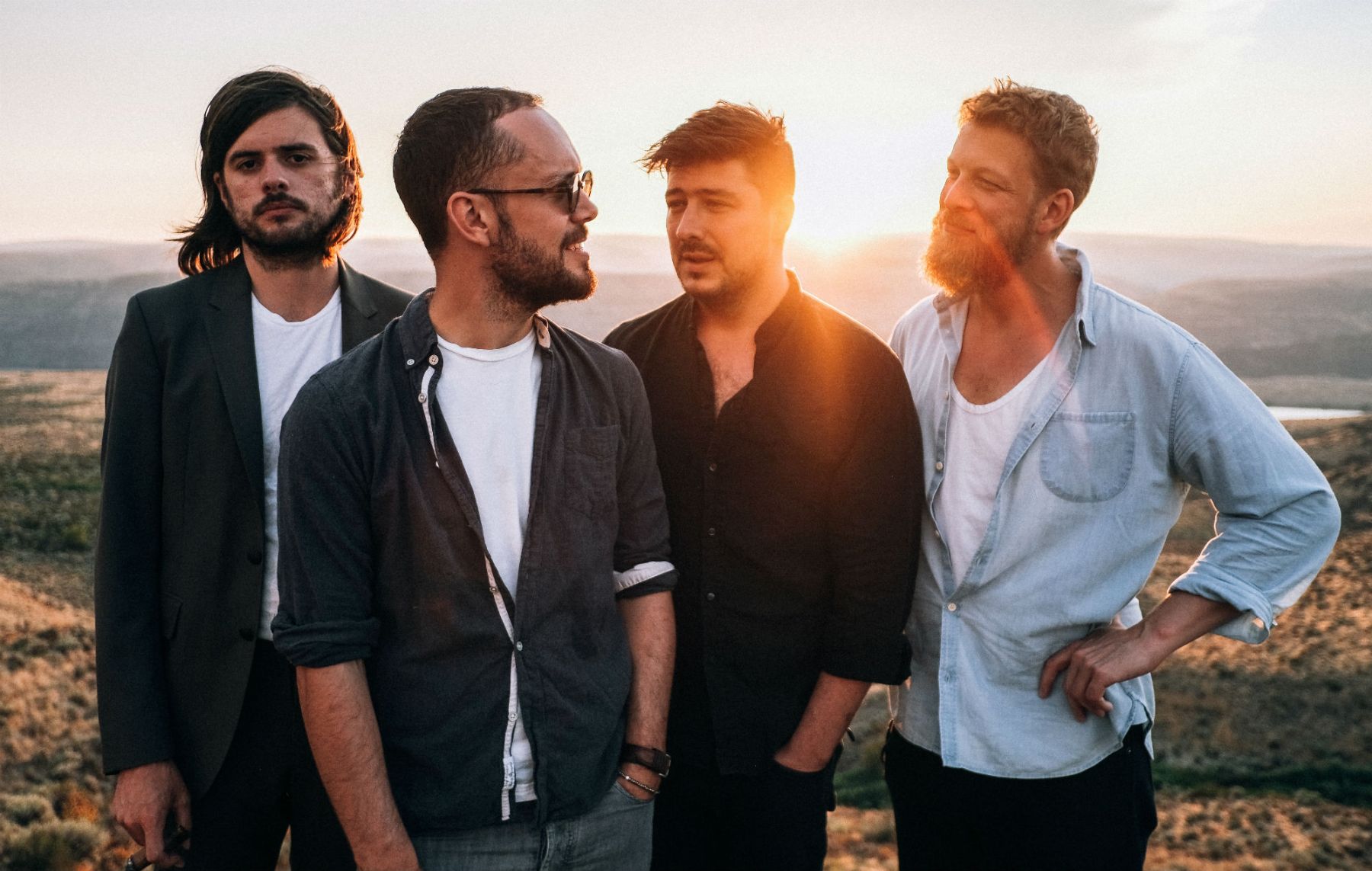
I hope you’re all enjoying your Sunday. If you’re looking for some music to jam to, something that explores some of the biggest questions of life with a Christian heart, I’ve got a recommendation for you: Mumford and Sons.

They’re not Christian themselves (or, at least, don’t claim to be any more) but the band has a strong Christian background and you can’t deny the overwhelming influence the faith has had on their music. Just take a look at some of the names of their songs: Babel (Genesis), Rose of Sharon (Song of Songs), Thistle and Weeds (parable in the Gospels), Roll Away Your Stone (Lazarus, Jesus), Broken Crown (of Christ), Timshel (literally “thou mayest” in Hebrew), The Cave (reference to St. Francis of Assisi), Believe, Awake My Soul, Lover of the Light. Even in songs that are not specifically about the Bible or faith, their way of expression is the language of faith (Babel is about putting on false selves and failing to communicate, a call to take off the mask and tear down the wall. What better way to capture this situation than to invoke the tower of babel?)

When I listen to their music, what I hear is a band that once knew faith quite well, that was excited for the mission of Christ. And then the world happened. And then doubt crept in. (And then being labeled “a Christian band” and being associated with the Christian Music Industry would have killed their success.) So they say publicly that they are people of that don’t consider themselves a part of the Church. Who am I to judge, but I still think they have Christian hearts influencing everything they do. Just because you hit a patch of doubt and go on a wayward journey doesn’t make you no longer a Christian.

No matter what they say, I think they’re furthering the mission of Christ. Subtly, they are opening the door for people who would never come to Church to engage with topics like faith and doubt, sin and grace, shame and redemption, hope and despair. You don’t need to use the name Christ for the mission to grow, and I think they’re doing just that: helping it grow.

Are Marian Apparitions Real?

It is not an uncommon experience for me to get a message from someone asking about the prophecy of Mary or some saint. Generally, they’re terrifying. Mary is nothing like the docile, “do unto me according to your will” mother that we find in the Bible, but is much more a tyrant usurping her son’s throne to inflict some harm.

It’s easy for most of us to dismiss these things as fabrications or the work of the paranoid, but how do we respond to these things? Surely, there must be an objective way to evaluate such apparitions for some semblance of authenticity.

In fact, there is! In this week’s Catholicism in Focus, I look at the Church’s standards to evaluating miraculous encounters and what they mean for us.

Believe it or not, this was one a controversial question. Today, many “mixed marriages” take place every year, joining together people of different faiths into one. While it may seem commonplace and routine today, this is only because of major shifts in the Church’s approach to ecumenism, leading to a reform of the liturgy.

If you’re preparing for your own wedding today, the USCCB has some great resources for you to use.