If you’ve paid any attention to the Catholic Church over the past 50 years, you know that we are a diverse group of people that likes to swing the pendulum of society back and forth. Forget about the “culture wars” of politics, they’re right here in our Church.

Just like the rest of the world, I recognize two problems in our Church: 1) we are a reactionary people, preferring hot takes and quick decisions that favor shallow answers and false dichotomies, and 2) we are unable to conceive of a Church and world in which there might be more than one correct answer. Both of these things are on display when our people argue such things as liturgical norms, social justice, clerical attire, relationships with those outside the Church, and political involvement.

For a Church as rich in diverse traditions as us, this is troublesome.

In this video, my central thesis is this: the faith remains the same, but the way it is expressed and lived necessarily changes with generations. As we grow older, as we learn more, as the world changes around us, our approach to Christian living will inevitably grow with it.
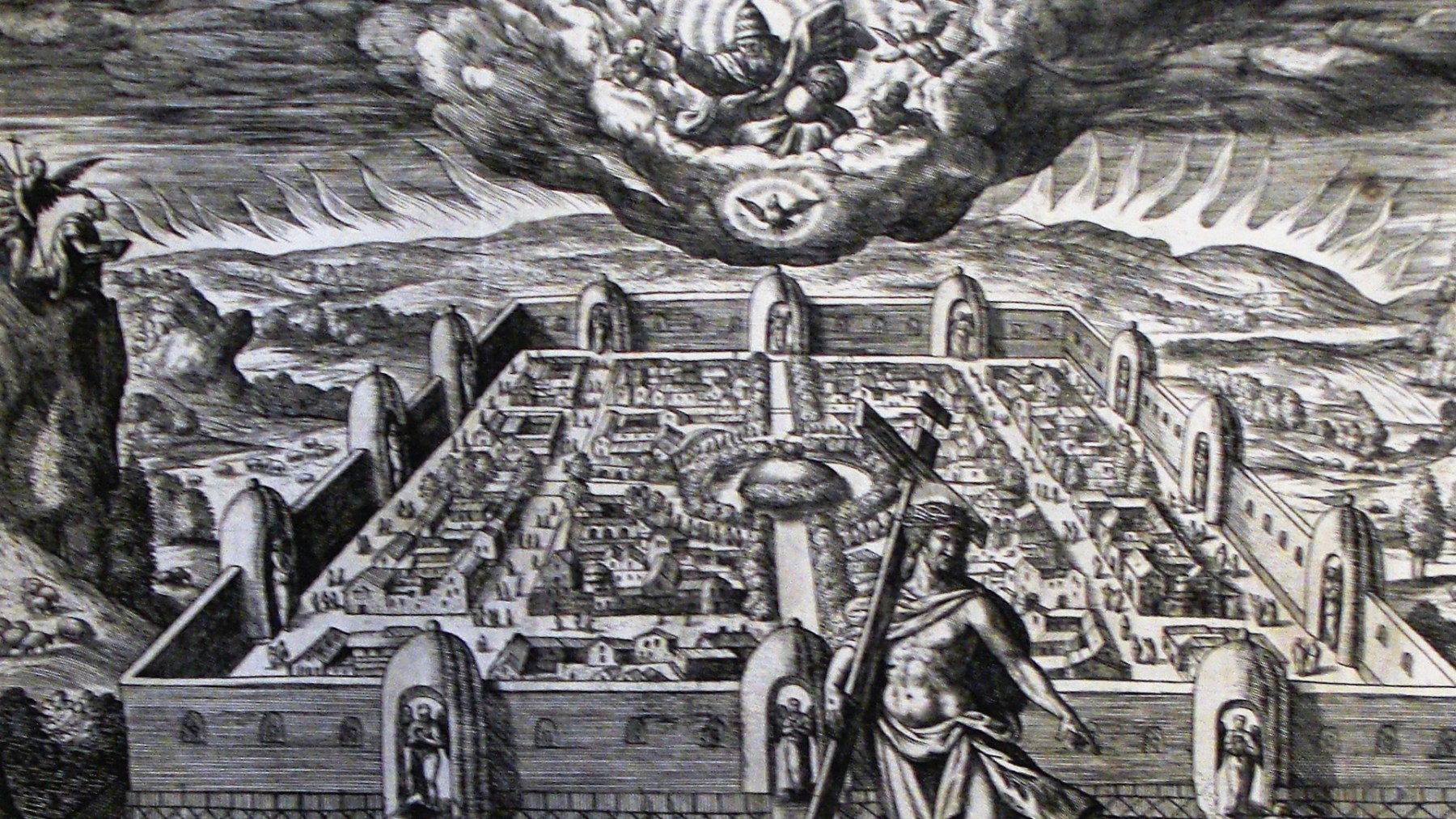
When you hear someone mention the Book of Revelation, what is your first thought? Mine… is to run away as quickly as possible. The reality is that the vast majority of people who quote passages from this book don’t entirely know what they’re talking about and are use its words to promote conspiracy theories, doomsday predictions, and condemnations against the Catholic Church.

Hard pass.

But that doesn’t mean that the book itself is wrong or problematic. In fact, it’s a great book. Surprisingly hopeful. Kind of the exact thing we need in our day. In this episode of Catholicism in Focus, I offer a few keys to approaching the book in the correct way, as well as a brief overview of its contents.

Things these days… yeah. They’re not great. As a new priest, I find myself frustrated with all that I can’t do these days, but I can’t say that the outcome of my life has been dramatically changed. I cannot say the same for those in high school today.

At a time when people are trying to find themselves and their place in the world, it seems like the world is falling apart. I feel incredibly sorry for those who have missed out on such big moments in their lives, who find themselves at a loss and without direction. I cannot imagine what it must be like to be 17 today.

And yet, there’s another part of me that is not particularly sympathetic at all. It’s not that I don’t care, it’s that I’m sort of allergic to throwing oneself a “pity party,” of moping around and giving up.

Things are tough, yes, but feeling sorry for yourself isn’t going to make things better.

In this week’s video, I want to highlight a saint for our age. Her name is Claudine Thévenet, and she is someone that I think teenagers can relate to. Although her college plans were thwarted by a pandemic, she did go to high school during the French Revolution and witness two of her brothers being executed.

So… it’s sort of a push, I guess.

She not only survived a tragic time, it made her into a laudable saint. Her resilience, commitment to service, and love of Christ are qualities that we can learn from today.

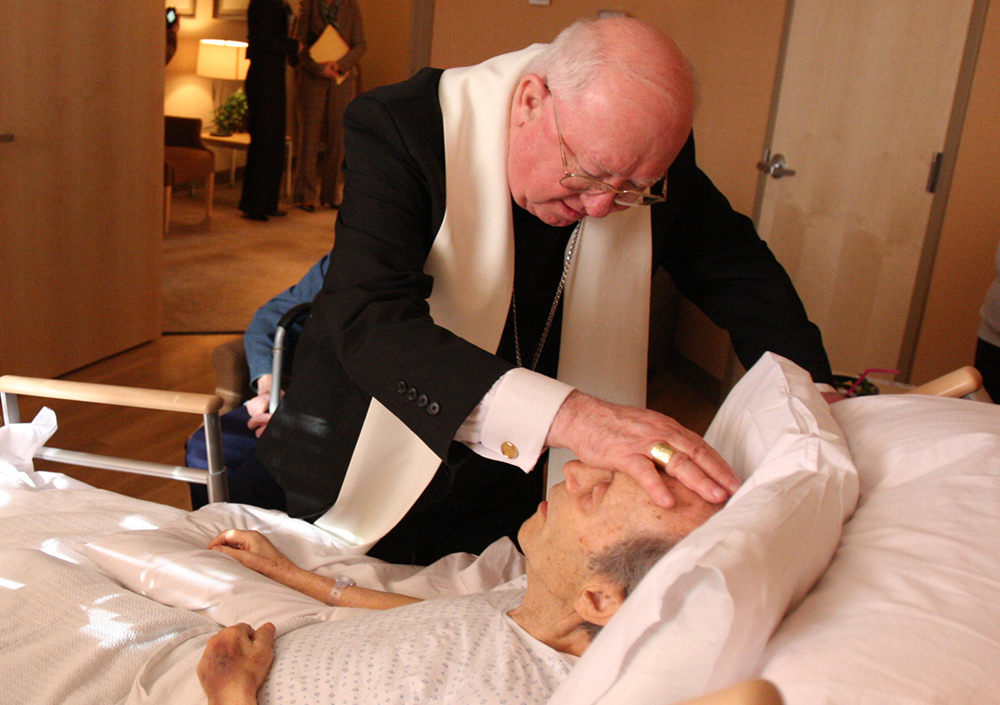
Everyone knows that there are seven sacraments in the Catholic Church. Not everyone knows, or receives, the fullness of each sacrament.

Of particular importance today, I think, is an appropriate understanding of the sacrament of the Anointing of the Sick. As I discuss in this week’s Catholicism In Focus, it is not one that many people quite understand, and their misunderstanding is among my largest pet peeves in the Church.

In short, the sacrament is meant for the sick, not just the dying. Don’t wait until the last moment, when someone is already unconscious, to receive this wonderful gift from God.

Overcoming Vices

Here in the United States, there seems to be a universal belief that we are free to do whatever we want. Not legally free, but simply capable. If you put your mind to it, you can accomplish anything! It’s the sense that no matter what we’ve done up to a certain point, we are always able to act, unbiased, unconstrained, in any way we want.

This, obviously, is nonsense.

Besides any physical limitations we may have (you can’t fly no matter how hard you try) there will always be limitation on your will. Certain things are easier to do than others. Saying “no” to a decadent chocolate cake is not simply a matter of not eating it; if you are a sweet tooth or have no impulse control, saying “no” to this treat will be nearly impossible. We train our wills over time.

The habits that we form, good or bad, have an incredible grasp on what we do. They can influence to do what’s right, making it easier to do what we want to do, or they can condition us to resort to bad things when we’re having a tough day. The habits we create have a serious effect on our lives, physical and spiritual.

As Christians, it is imperative that we form good spiritual habits (virtues) and avoid bad ones (vices). In these two videos, I discuss the importance of forming habits and how to overcome bad ones.