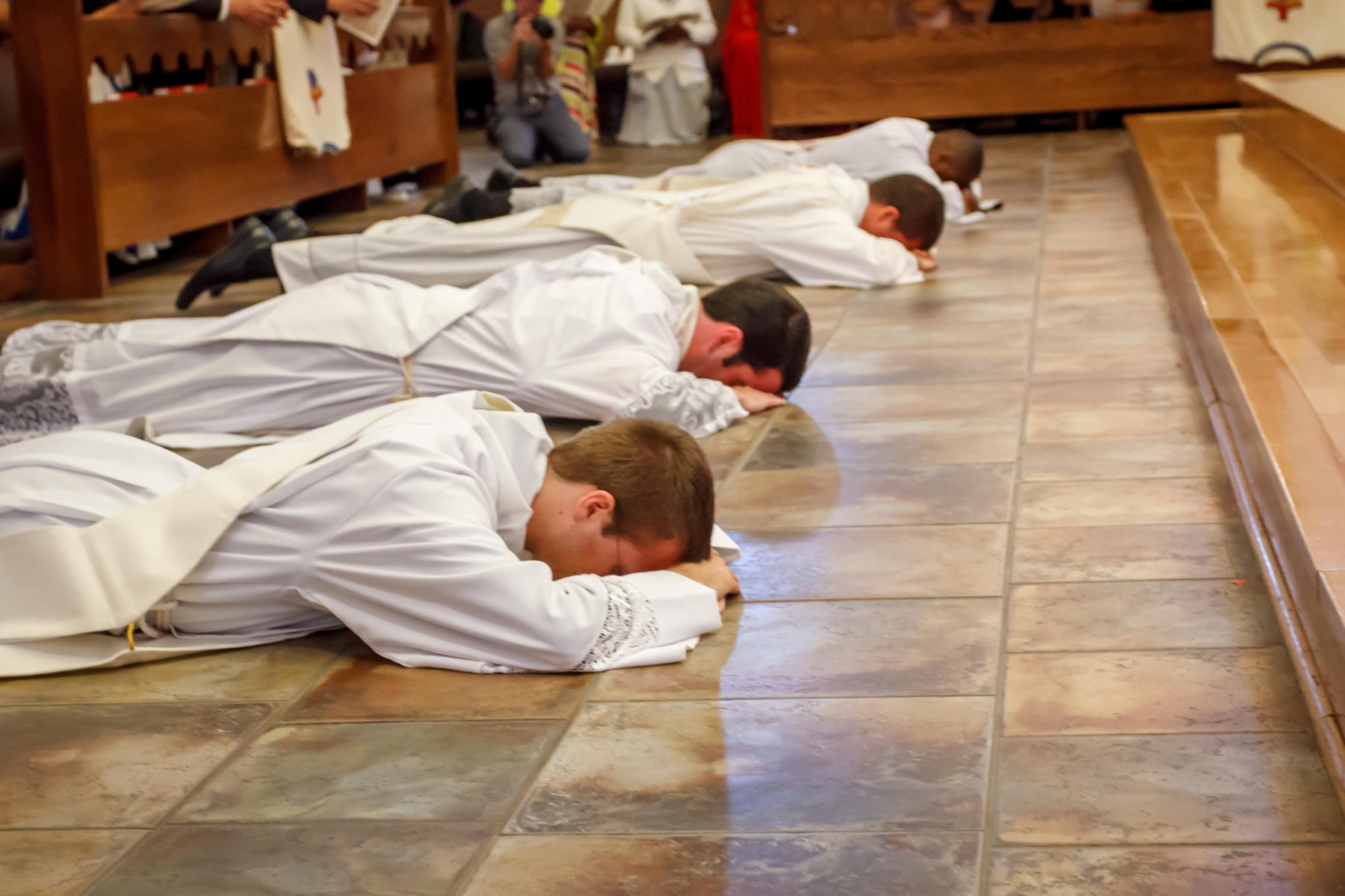
So… fun story. I was ordained a deacon on Saturday. I know, right? It surprised me too! Long story short, I was planning on being ordained in June, but when my provincial heard that another province of Franciscans was having an ordination in March, he said, “Why don’t you just tag along with them.” In truth, he said this to someone else who then forwarded it to me, so I doubt he used those exact words.
Regardless, I have had hands laid upon my head, I’ve made my formal promises, and I’m ready to go! So in honor of that great change in my life, I’ve decided to dedicate this week’s Catholicism in Focus to the sacrament I just received: the Sacrament of Orders.
All throughout Scripture, we find extraordinary events revealing the wonder and power of God. The Red Sea is parted; the loaves are multiplied; people are healed; battles are won; a people are set free. For many of us, believing in miracles is somewhat commonplace… Miracles are a pretty foundational part of our faith.
And yet, while we all may have a sense of what it means and what it’s purpose is, trying to actually define a miracle, with sound theological and philosophical logic, serves a bit more difficult a task.
That is the topic of this week’s “Catholicism in Focus.” Looking to three common definitions, what we see is that each has some theological foundation and popular appeal, while at the same time presents some unanswered questions and leaves us searching for more. That, I think, is the definition of a mystery. The more we learn, the closer we get to God, and the more we realize that what we know is not the whole answer. We dive into this question not with the hope of containing all of God’s mystery, to answer the question and move on, but to be a part of the process of entering into God’s very self.
Maybe you have your own definition beyond these three. Feel free to share it in the comments or continue the conversation by posting this in social media with your own theology!
Among the many differences that Catholics have with Christians of other denominations, there is likely none greater than the pope. A symbol of Catholicism itself, the papacy is easily the most recognizable, distinguishable, and controversial aspect of our faith, offering us a sense of identity against all other Christians. Interestingly enough, it is the only part of our faith that we can claim solely as our own; while we may debate with others on things like the Eucharist, Mary, moral theology, and scripture, every one of our beliefs, except the papacy, is shared with at least one other tradition. It is, in a way, what defines us as Catholics.
Which is both affirming and startling at the same time.
As a Catholic, I find the papacy to be not only an authentic gift from Jesus but also a necessary aspect of effective leadership. I can’t imagine a Church without a head. And yet, I also know that the history of the papacy is long and varied, developed over time, and does not look anything today like it did in the early Church.
And yet, it leaves us with many unresolved questions. Is the papacy truly the most important part of our fait or simply the most different? Why, in a world with over a billion Christians, are we the only ones who accept this doctrine? How are we to work for Christian unity when this issue stands as such a divisive determiner of identity?
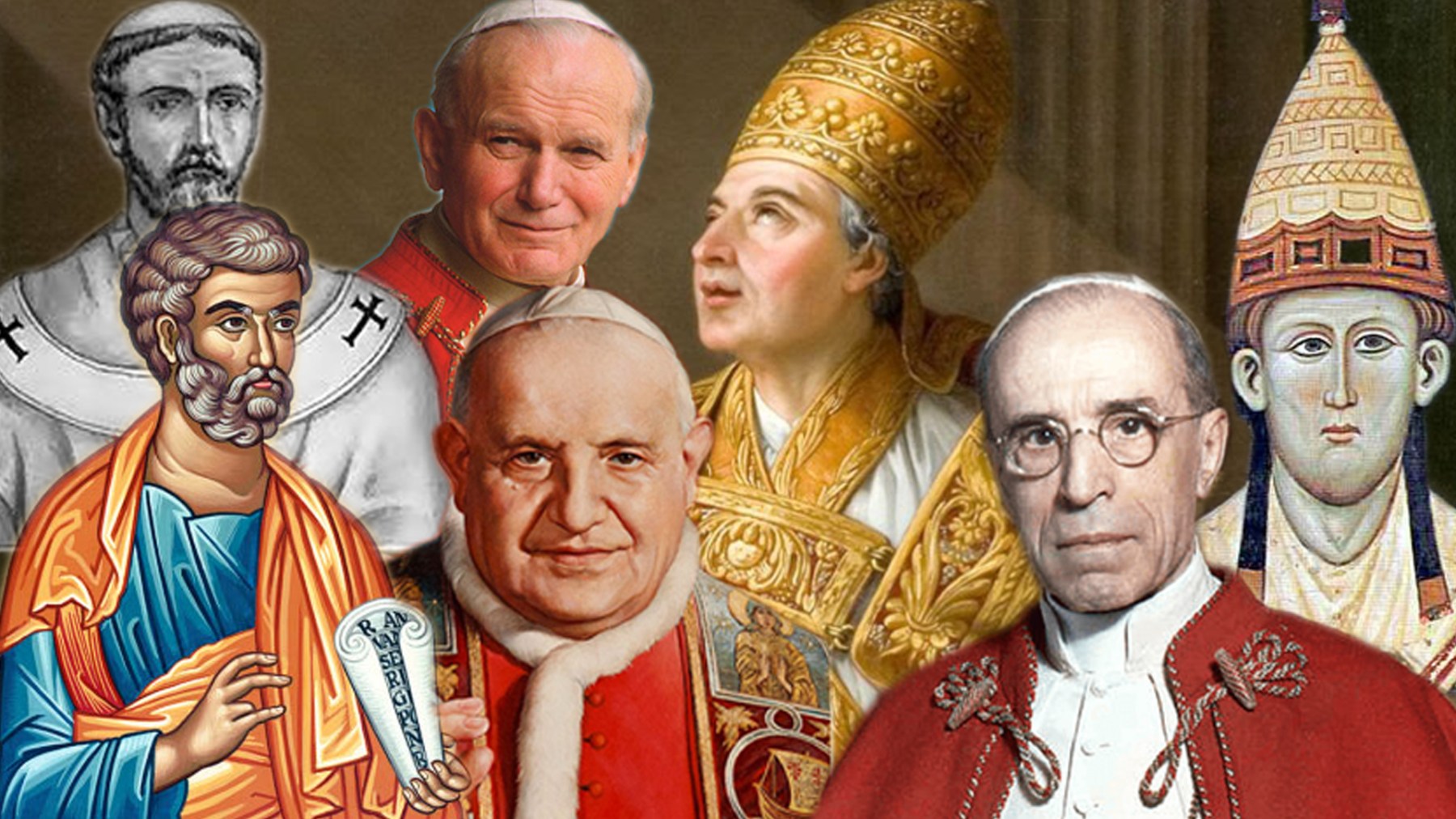
This was the motivation for this week’s Catholicism in Focus: Where Did the Papacy Come From? For something as important and controversial as the papacy, it would seem to be in our best interest to know where the doctrine comes from and why we continue to hold to it.
Believe it or not, Lent is already upon us. Coming a month earlier than last year, I feel like we just finished Christmas and we’re pulling out the ashes! But I guess it’s true what they say: the sooner you start the sooner you finish!
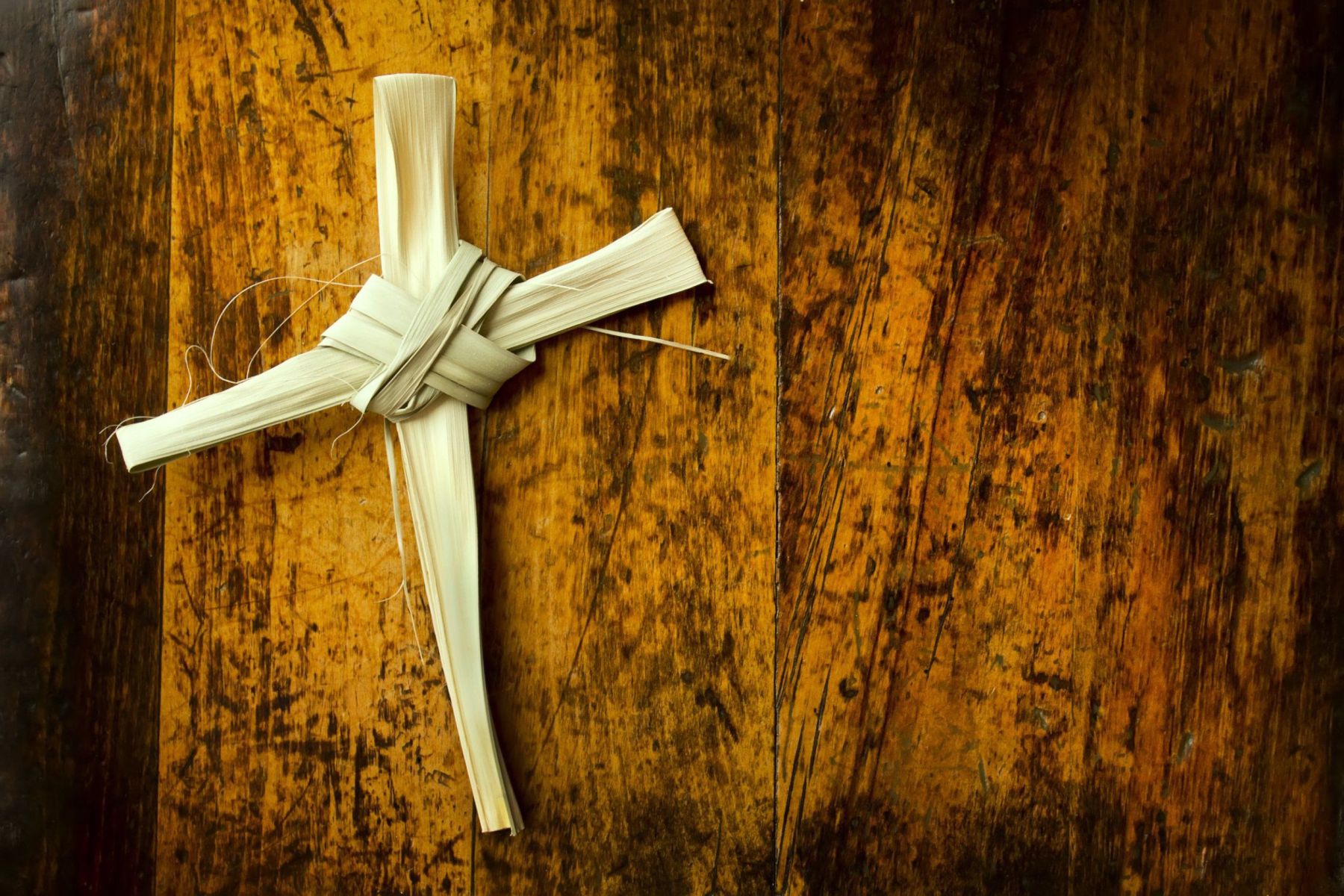
Which, in this case, presents a question unto itself. While we always say that Lent is forty days long, a look to the calendar might leave us a little puzzled as 40 days from Ash Wednesday only gets us to Palm Sunday. What gives? There are actually 46 days in Lent??
Well, sort of. As I actually learned last week (believe it or not, even friars know very little about our tradition at times!) the way we count to forty is both controversial and confusing. Some say one way. Others say another. And the Official Church just messes everything up with a third, inconsistent way! Gosh. I haven’t had this much trouble counting to 40 in twenty-five years!
But lest we just throw up our hands in frustration or disregard it as esoteric information, this week’s “Catholicism in Focus” attempts to get to the bottom of the issue, finding the important information in history and trying to make sense of the different approaches.
For those who are looking for something to actually do this Lent, be sure to check back every Friday for a new Lenten reflection series on discernment and discipleship in today’s world, inspired by my new book, Called: What Happens After Saying Yes to God.
In many seminary classes and Bible studies, there is a standard way of reading the Gospels: pick a passage, compare it with similar stories in the other Gospels, and come to a conclusion about what it means. Like the lectionary of the liturgy, passages are isolated so to focus on one particular part of the Gospel.
There’s nothing particularly wrong with that approach. Seeing how a story in Matthew is different from the Mark and Luke versions is interesting and offers insight into Gospels, sort of “triangulating” our understanding of Jesus in the world; when we throw all of the stories into one mixing pot we’re able to come up with what we believe to be the most accurate depiction we can. Where there are holes in one Gospel, the others fill them in.
And yet, there is something tragically lost in the process. You see, each Gospel is a narrative. It’s a complete work of art and theology with a beginning, middle, and end. It may have similar components as the other Gospels, but the way it weaves them together tells something more. Just like any good story, there are details meant to set up the main point, foreshadowing at the beginning that reveal hidden details at the end, development of characters, and overriding themes that help influence the meaning of individual stories.
In a way, the medium and overall work are not insignificant; they are the message itself.
For this reason, many scholars have been pushing what is called the narrative approach to reading the Gospel. Rather than comparing and contrasting the four next to each other, each one should be read in isolation from the others and in its entirety. If you’re reading Mark, focus on Mark. What is he trying to say as a complete work? Who is the Jesus he is presenting? Don’t worry how Matthew tells the story. In fact, forget that there is even a Matthean gospel. Mixing in outside details will only serve to distract from the distinctly Marcan story being told.
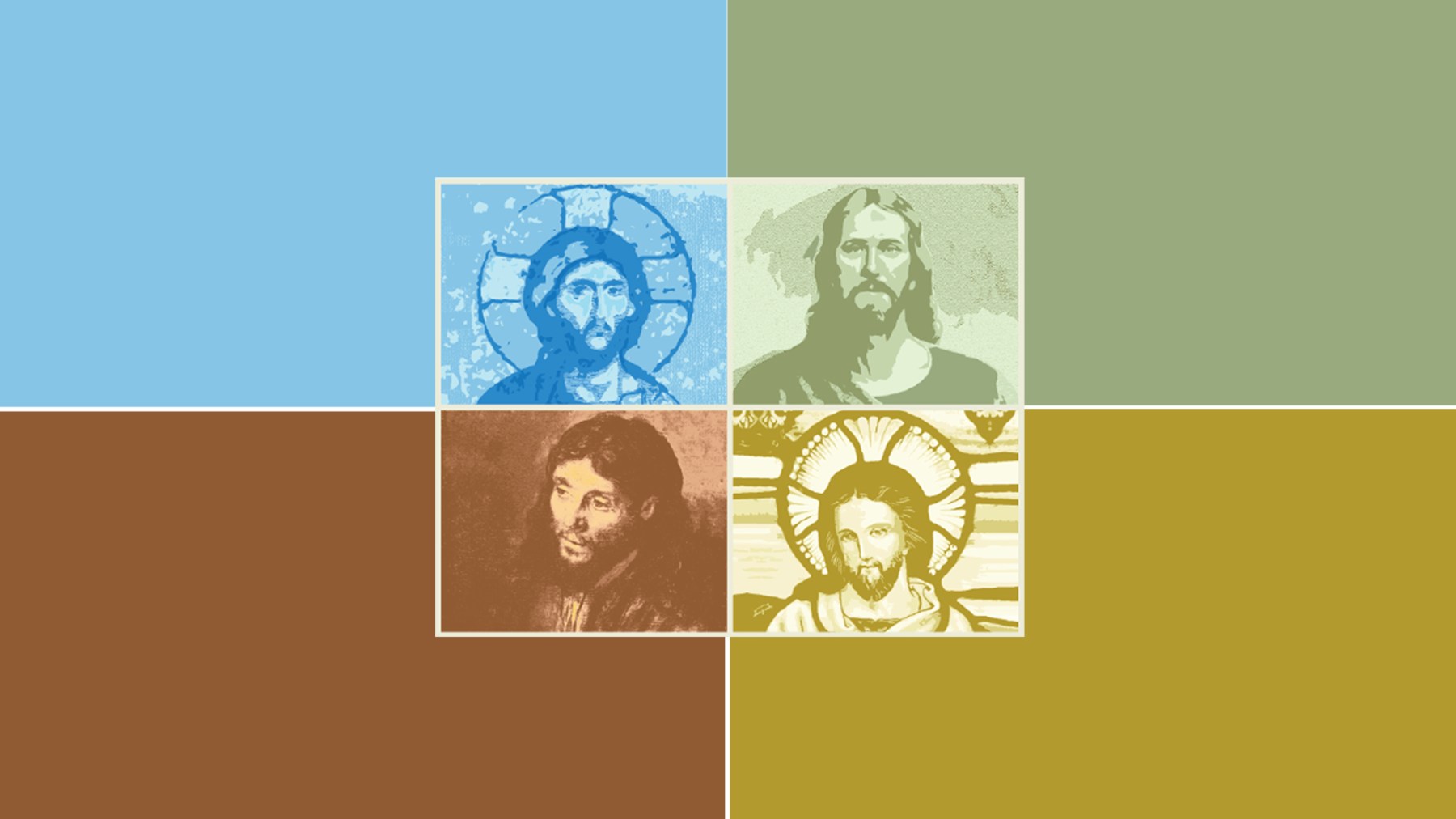
When we do this, what we find is that each Gospel is not just a “different perspective” on the same historical events, they actually provide a beautiful work of art with distinct theologies and distinct depictions of who Jesus is.
That is the background for this week’s Catholicism in Focus. But sometimes seeing it for yourself and having concrete examples is much easier to understand than this sort of abstract explanation. If you would like to see exactly how this plays out and what the main themes in each Gospel are, I have provided two documents for your study, which you can click below to access.

 Breaking In The Habit