In my last post I made two major announcements about what life would hold for me over the next year, beginning with two months in Mexico on May 31. I’ve appreciated all of the comments and the congratulations, and thank all of you very much!

But there is another announcement to be shared now. As some of you may have been wondering, and a few of you even asked, why there is a big gap between now and May 31. What exactly will I be doing until then?

How about another road trip?

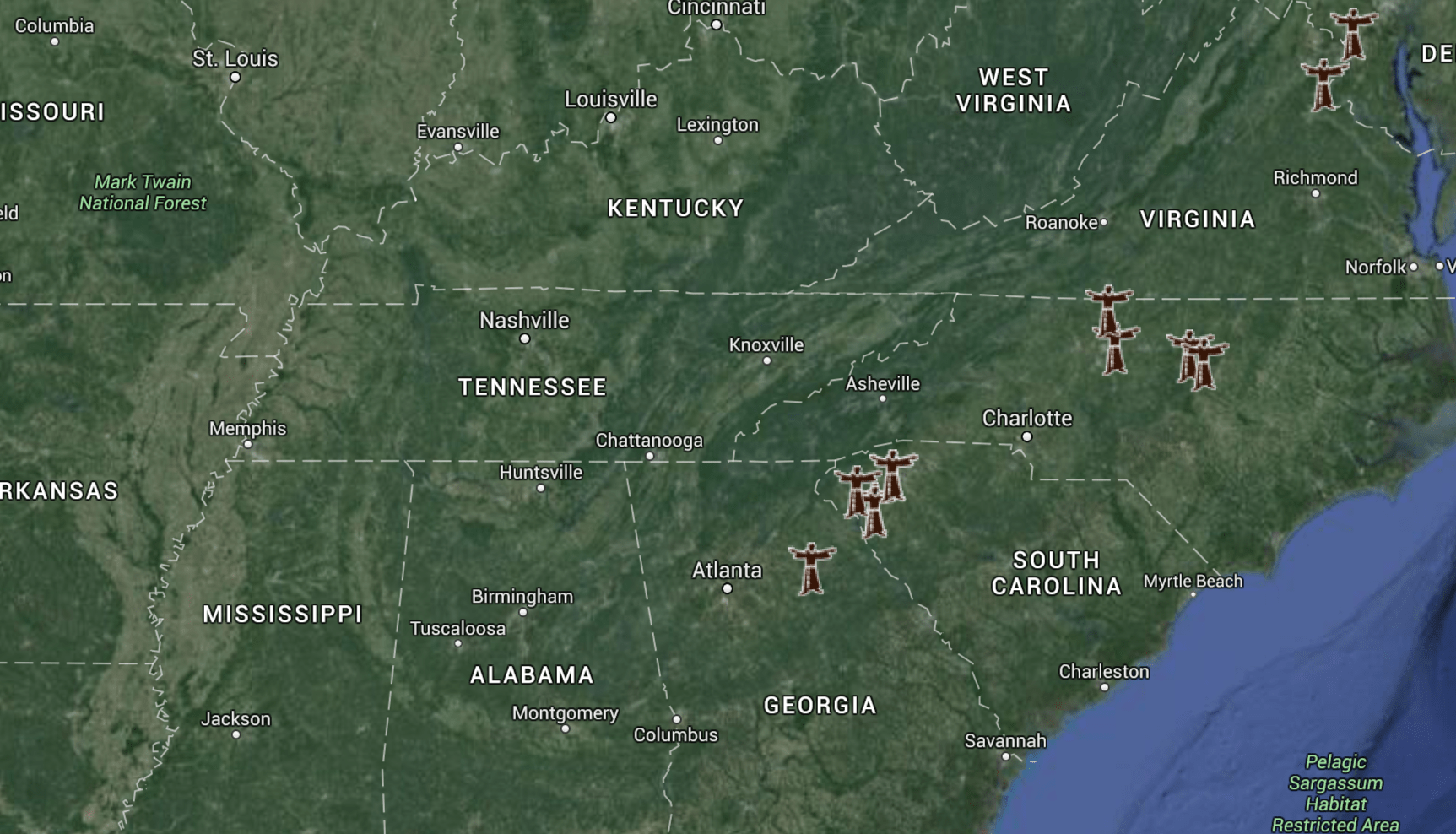
As some of you may remember, I traveled from San Diego to Washington with a classmate of mine last year, writing about our journey and beginning my filming “experiment” on the road. This year, our trip is less practical as it is fraternal: traveling with two other friars in formation, we plan to visit all of our “southern” ministries over a period of a week, spending some time with the friars and getting to know their life and ministry.

Even though we’ve always had friars living in the south (and, if you ask me, our best places in the province today are in the south) it is sometimes treated as “mission territory” among the friars of the “New York” province because it is not located in Manhattan. As a result, most guys in formation don’t get a chance to see many of our places or get to know the southern church.

Just over 1500 miles in 8 days, this trip will be less about the road and more about being with our brothers.

No longer. Starting from Washington, D.C., we’ll stop in Raleigh/Durham NC, Macon and Athens GA, Clemson, Anderson, and Greenville SC, Stoneville NC, and conclude with a stop in Triangle VA before heading back to DC. In a span of eight days, we’ll get to see six parishes, two universities, and a retreat center, not to mention 23 different friars living in nine different friaries. Unlike last year in which much of our time was on the road and all of the things I shared (videos and blogs) had to do with the sights and tastes of each region of our country, this year we’re hoping to spend most of our time with the friars, sharing more about the Franciscan presence in each area. I don’t plan on making any videos this trip, but will definitely be blogging and posting to the Facebook page. (If you’re interested in seeing pictures, you’re definitely going to want to “like” the Facebook page.)

This was my mom’s reaction when she saw me at church today. Worth it.

As a final note, being that we we’re starting day three of the trip today and will be behind in sharing come the first post, you might be wondering why I didn’t announce this in the last post with the other announcements or get ahead of the story with more pictures or posts. Funny story. We planned this trip two months ago and I told my mom about it. Being that my parents live two hours away from Raleigh/Durham (where we are staying now) and were not planning on adding two hours to our 1500 mile trip, she accepted the fact that we wouldn’t see each other and forgot about it. Since it was Mother’s Day yesterday, however, she later made plans to see my sisters in Raleigh and to attend mass at the parish we’re staying out now, forgetting the fact that I would be here. When my sisters and dad found this out, we decided not to remind her, and since she reads this blog, I decided not to announce it. Her reaction was worth the wait…
“Which type of Franciscan are you?”

While strangers on the street may ask me if I’m in a renaissance fair or am impersonating a Jedi, this is the most common question I get asked by fellow Catholics and other religious. They know that I’m a religious, can tell that I’m probably a Franciscan, but which one?

Benedict Groeschel’s group? No. The friars on EWTN? Nope. Capuchin? Not today. The friars at Stuebenville University? Different friars.

As the conversation continues, we usually end up in one of two places: “Why are there so many types of Franciscans?” or even better, “Which one is the real/original one?” My response? “It’s complicated.”

And it is. Our history is fragmented and diverse. It’s needlessly complicated and unlike all other religious orders. There are three branches of Franciscans, and within each branch there are many different types, either breaking off from previous groups or starting as another order and then be assimilated into the Franciscans years later. There are hundreds, and new ones even created today.

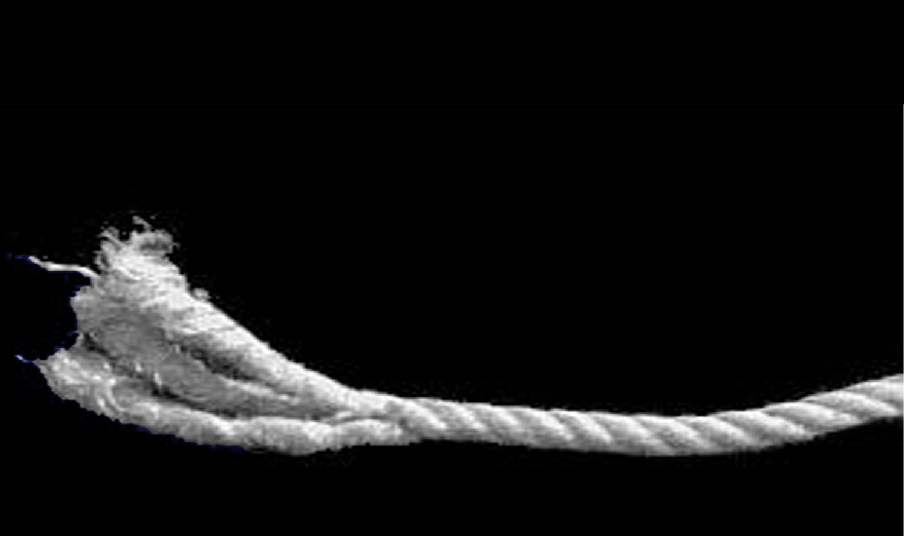
Many have asked me to explain the difference between the groups and I have always resisted. While each group is definitely different and I could probably make some generalizations about many of them, there are also exceptions to each generalization and overlaps to difference. Because the groups developed organically over time, its hard to make clear distinctions between them; we’re all Franciscan… just a slightly different thread of the same cord.

That doesn’t mean there’s nothing to share, though. In this second installment of Catholicism in Focus, I look at the historical development of the three branches of the Franciscan Order to try to make as much sense of it as I can. It’s not complete, and it’s by no means perfect, but maybe it will help put some things into perspective.

For those reading this through email, click here to watch the video.

After a two-week long hiatus, I’m back on the blog and ready to start the new year. I had a fantastic ten-day vacation (once again traveling nearly 1200 miles!), spending four days with my family, visiting three friar communities, and opening the new year with ten friends from college. It was good to go home, but after it all, it’s also great to be back.

Or, at least it was… for the hour that I made it back to D.C. on Sunday. After my final leg of the 1200 mile vacation extravaganza, I was back in the car for a three-and-a-half hour drive to New Jersey with the friars. Another vacation? Not exactly…

12491797_10153930733136424_4081137593281048207_oEach January, all of the friars in formation (minus the novices in Wisconsin) attend a workshop together on a Franciscan topic related to our life and ministry. These are no “cupcake” topics either. In years past, we’ve had presentations about the Franciscan theology of the Trinity, the relationship between the Franciscan Order and Islam, and the contemplative dimension of leadership (given by a former Vice President of a Fortune 500 company). This year was no different: we were privileged to welcome Fr. Michael Blastic, OFM, one of the foremost Franciscan scholars in the English-speaking world, to discuss the connection between St. Francis, the Second Vatican council, and Pope Francis. As one would expect, the content was fantastic and our discussions were lively and fruitful.

And alone, it would have been great; a quality workshop for our intellectual formation. But intersession is not just a workshop. As Franciscans, our formation is not just intellectual, it’s prayerful, emotional, and absolutely social.

Outside of the designated times for lecture and discussion each day, when we weren’t praying or at meals, we spent our time together truly enjoying each other’s company. Away from school and ministry in the comfortable confines of a retreat center, without stress or distraction, we were free to simply be ourselves, together. It was time to catch up with the guys out on their internship year (final year of formation before solemn profession) and to mix a little more with those in different levels of formation. All told, it may not sound like much, but is always a blessed time of the year filled with laughter, relaxation,  and brotherly love, a time to share our lives with the other men going through the process together.

And alone, it would have been an inspiring and rejuvenating week. But there was more.

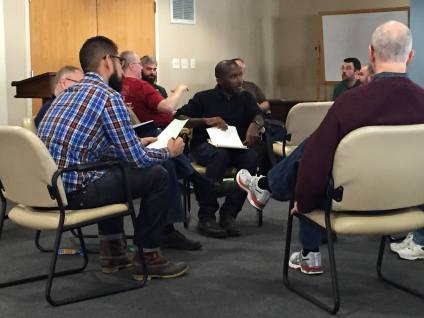
12493410_10153930734676424_7948693549053161023_oNot only did the friars from SPUFY (Solemnly Professed Under Five Years… we love acronyms in religious life) meet at the same time and place as us, offering a unique opportunity for recreation each night, on Wednesday we welcomed 50 of the 70 friars in our province under the age of 55 for an unprecedented meeting about the future of the Franciscans as we enter a period of restructuring and revitalization. For 24 hours, we discussed our vision for the Franciscans in the country, shared our hopes and fears, and debated on the best way to make that happen. Although I can’t share the specifics of what we discussed, there are few things that stuck out to me:
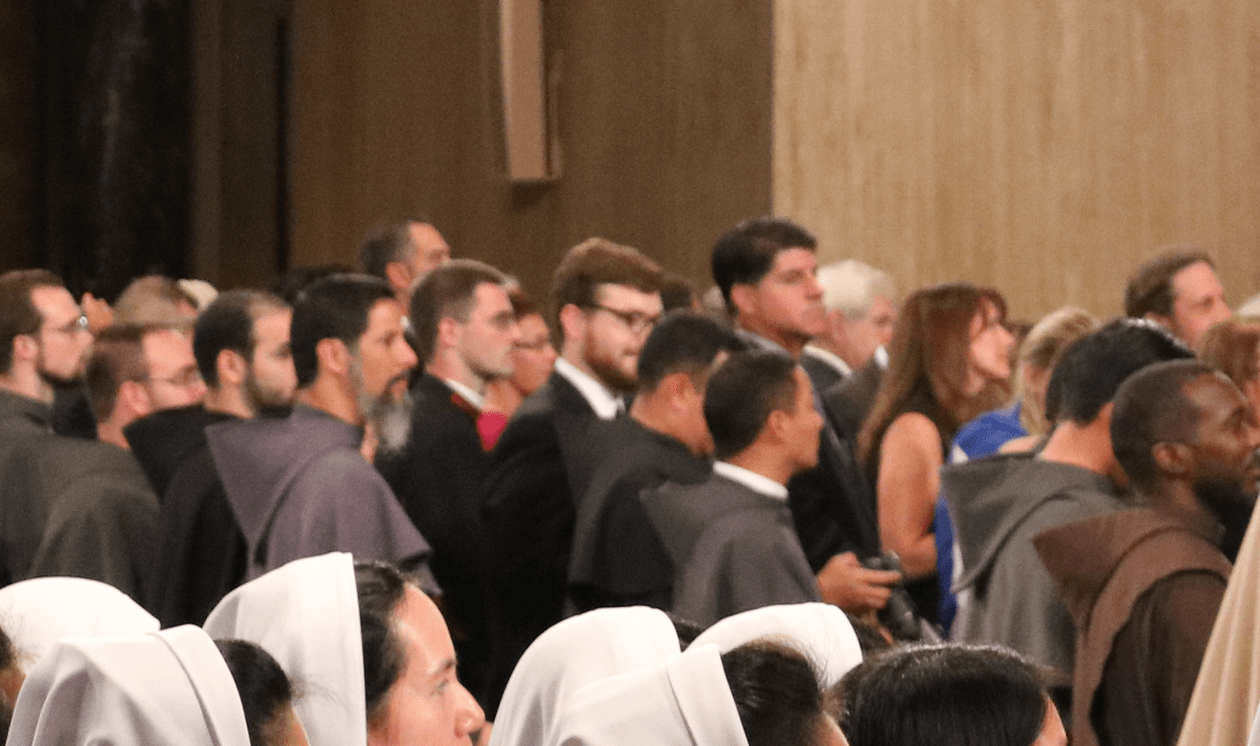
  1. The numbers are so much more significant when they have faces. So often in the Church we talk about declining numbers, lack of vocations, and a very bleak future. In our province, we talk about how few guys we will have in the future to run our ministries. And it’s all true… based on the expectations of the 1950s. But standing before me this week were fifty men who have devoted their lives to radically living the Gospel. And that’s not even all of them. To think that we have seventy men in the peak of their lives, in our province alone, that are committed to the same life as I am, is incredibly encouraging (not to mention the 240 other men who happen to be 56 or older, many of whom run the province). Too often you see a religious community with 2-3 new members, men or women, under the age of 55, surrounded by 100 others on the verge of retirement. Not the Franciscans. Not Holy Name Province. There is a strong future ahead of us.
  2. I love these guys. Not only are there enough men to create a viable community for years to come, there are enough quality men to sustain me for the rest of my life. For many, I’m sure it was nothing more than another tedious meeting (and parts of it was…); for me, it was a strong re-affirmation of my vocation. These men make me laugh. They do incredible work. They love each other. They inspire me. Whether we all want to admit it or not, there are really only two questions that we ever want to answer: Who am i? and Who’s going to love me? Being with a group like this, even for a day, reminds me how blessed I am that I can answer both of these questions with joy and confidence.
  3. We don’t have to get along to be brothers. While the love of Jesus and his Church certainly bound the men in the room, very little else did. In the fifty guys present, it was hard to miss how diverse we are at times when it comes to country of origin, culture, political leaning, vision for the Church, definition of friar life, ideal lifestyle, and personality. It was hard to miss how we don’t get along sometimes. It was hard to miss how, dare I say, certain guys actually don’t like each other. Gasp! Sounds kind of like… I don’t know… every other situation in the world! While some would point to conflict and division as signs of weakness, I see it as one of the strongest points of witness that we have to offer the world. Here we are, men with personalities, egos, issues, etc., and yet we’re willing to come together for something greater rather than giving up on the people and things that annoy us. Do we do it perfectly? Absolutely not. But what I saw in this gathering was enough to brag about: we have at least fifty men that are willing to at least try to follow Jesus in his mission, accepting each other, not because we want to but because Jesus did it first.

In total, it was a rejuvenating, inspiring week with my “young” peers. Together with the guys in formation, those recently professed and navigating their first assignments, and those men who are coming into their prime of their friar lives, I saw that there is a lot to look forward to as a province, and a lot of inspiration for my own personal road ahead. I do not know what the restructuring and revitalization of our Order in the US will look like in five years, but I’m excited to be a part of it.

***

As a final note, I’m in the process of working on two new videos and planning a few more after the semester gets started, so check back soon!

(Cover photo by Christian Seno, OFM. Body photos by Basil Valente, OFM.)

St. Francis is probably the most popular, widely recognized, and most misunderstood saint in the Church’s history. It’s not that people don’t know a lot about him, it’s the opposite: since there have been so many stories written about him over the past 800 years, everyone knows something, but it can be difficult to separate fact from folklore.

As someone who has studied the early sources of his life, it can be frustrating sometimes to see how his name is used or what people are saying about him. Take the “Prayer of St. Francis.” It’s a nice prayer, but those who have read Francis’ actual writings know that it sounds absolutely nothing like him. Dig a little deeper and you’ll find that it was a prayer for peace written during World War I.

Francis preaching to the birds is another example. Did Francis preach to the birds in a literal sense? Maybe. We do have one or two references to it in his early biographies. But what’s interesting is that so many other saints before him were also said to preach to animals, and that, for some, the birds represented the many types of people of the world. And besides that, he did and wrote about many other things; preaching to the birds is something he never mentions, and is really insignificant to all of the other more important things he said and did. And yet, he is the man of the birdbath.

These are just two examples of the manways the image of Francis has been misunderstood throughout the years, and it’s no wonder that he can be found promoting such vastly different causes. Once, for instance, our novitiate class was forced to attend an etiquette because, as the friar hosting it said, “Isn’t this what Francis would have done?” An etiquette workshop. Right.

That’s the feeling that Rob Goraieb, OFS had a few weeks ago when we were preparing for the feast of St. Francis, coming up this weekend. How could we deal with this frustration in a positive way? Like the 40 minute video we filmed a few months ago about vocations and church in the modern world, we decided to just sit down and talk about it on camera. What things frustrated us? What aspects of Francis’ life are often overlooked or forgotten? What do we as Franciscans want the world to know about St. Francis?

We sat for about an hour on camera and we hardly scratched the surface of what we wanted to say. In fact, both of us were initially left dissatisfied with what we had done. The fact of the matter, as we realized, is that there is no way to totally encapsulate the inspiration of the life of Francis, and in some ways, we didn’t even want to try. But we did want to share with you what we found most essential to Francis’ life and what it might mean to follow Francis today.

Happy Feast!

For those on email, the link is here.

There are more than a few types of religious Orders in the Catholic Church: Franciscans, Dominicans, Jesuits, Carmelites, Benedictines, Paulists… you get the picture. What many don’t get, though, is how we differentiate between each other.

As far as externals go, the habit is the easiest distinguisher because we all have slightly different styles: Dominicans are white, Jesuits have a formal cassock, Carmelites are brown with a scapular and leather belt, Benedictines are black, and the Paulists have a cassock with special buttons, different from the Jesuits. But this form of distinction only goes so far. For starters, many religious do not wear their habits but for special occasions. It makes it very difficult to tell the difference when they’re wearing jeans and their habit is in their closet! But besides that, a habit in itself is but an external sign: it does not articulate any meaningful differences in belief, practice, or spirituality.

For that reason, a much better way to understand the differences between the religious Orders is getting to know their “charisms.” A charism is essentially the personality of the Order, the attributes and preferences of the founder that determine how they prayer, where and how they live, and what they do in ministry for the Church. A charism can be very specific, tied directly to a particular mission such as teaching or medicine, or can be very general, focused on an ideal like hospitality or mission.

This week’s video offers a brief explanation of that concept, a statement about a few of the major religious Orders to serve as contrast, and three aspects I think are integral to the Franciscan charism.

For those on email, the link is here.