Purgatory is one of those things that everyone is familiar with but few people actually know what it means. The word purgatory has entered into the popular parlance of western english as a way to describe a painful period of waiting, of a holding cell with no end in sight.
This is not what the word means for Catholics.
Not only is it completely untrue that those in purgatory are unaware of their fate (all people in purgatory are saved), it is entirely untrue that it is a boring or passive place. Purgatory is about purification, not waiting.
In this week’s Catholicism In Focus, I look at the teaching as described by the Catholic Church and see where the theology comes from in the Bible.
One of the biggest problems with theological debates online is that many people fail to understand the concept of the “hierarchy of truths.”
Sometimes it’s a matter of treating everything the Church teaches as equally important. When this is the case, well-meaning Christians will call other Christians heretics because they don’t fast on Fridays or because they have a problem with the Church’s teaching on contraception. While both of these teachings are important, neither of them are dogmatic in nature, meaning that disobedience of either does not result in excommunication or heresy.
Far more commonly seen, unfortunately, is the confusion of the hierarchy, elevating a non-authoritative teaching over dogmatic principles. This is seen when people quote the theological writings of a pope, saint, or prominent theologian as proof of something, forcing people to obey. Maybe it’s even a line from an ecumenical council many years ago. Just because a pope, saint, or theologian writes something, doesn’t mean that it is a binding teaching for all the faithful. We must have an understanding of the difference between private opinions and the ordinary magisterial teaching of the Church, and then within that ordinary teaching, where it all fits together.
Hence, this week’s video. It is by no means a comprehensive work and will need a few more followup videos to even cover all of the basics, but it’s a start: what is the hierarchy of truths? What must a Catholic obey?
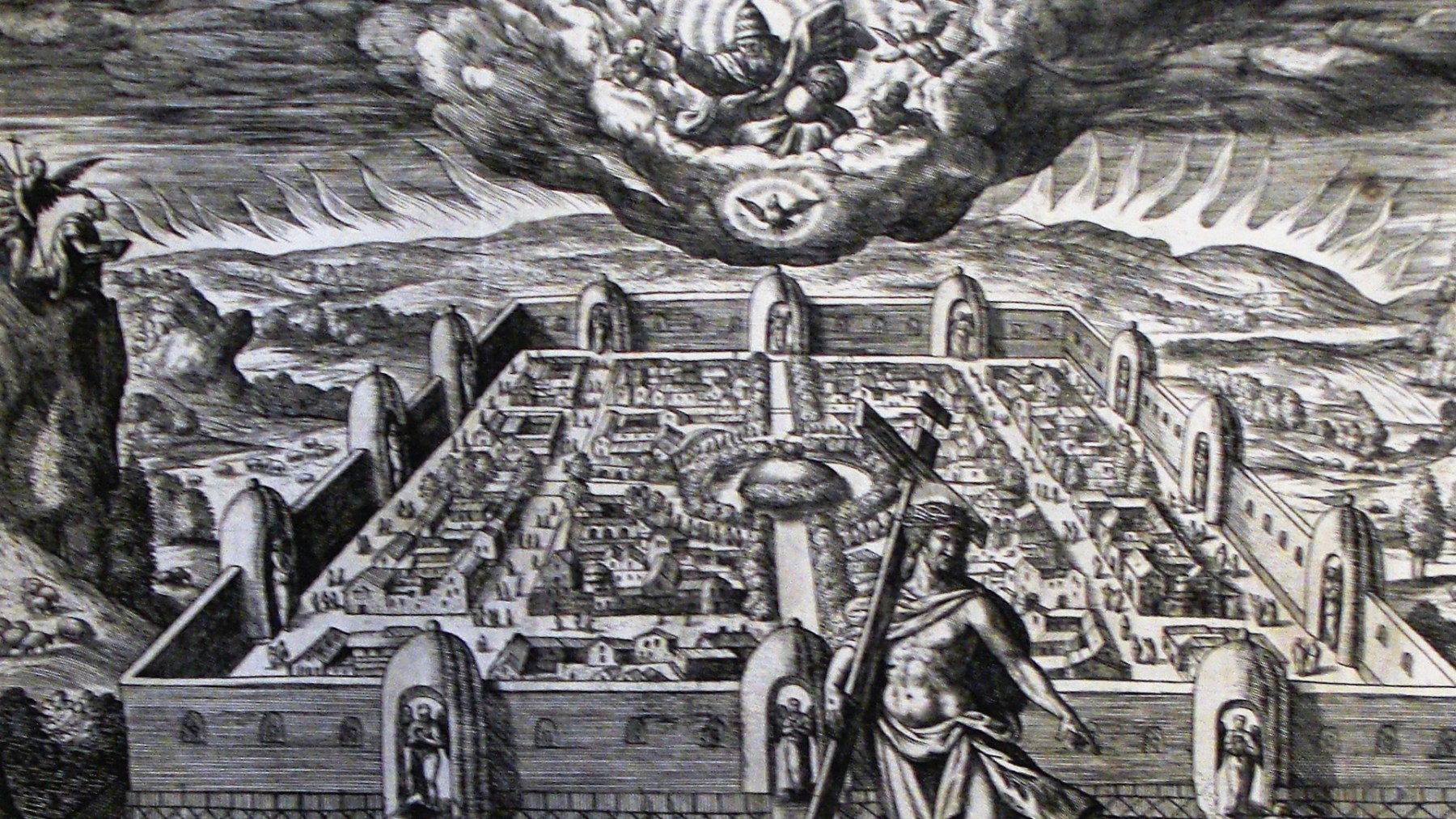
When you hear someone mention the Book of Revelation, what is your first thought? Mine… is to run away as quickly as possible. The reality is that the vast majority of people who quote passages from this book don’t entirely know what they’re talking about and are use its words to promote conspiracy theories, doomsday predictions, and condemnations against the Catholic Church.
Hard pass.
But that doesn’t mean that the book itself is wrong or problematic. In fact, it’s a great book. Surprisingly hopeful. Kind of the exact thing we need in our day. In this episode of Catholicism in Focus, I offer a few keys to approaching the book in the correct way, as well as a brief overview of its contents.
Everyone knows that there are seven sacraments in the Catholic Church. Not everyone knows, or receives, the fullness of each sacrament.
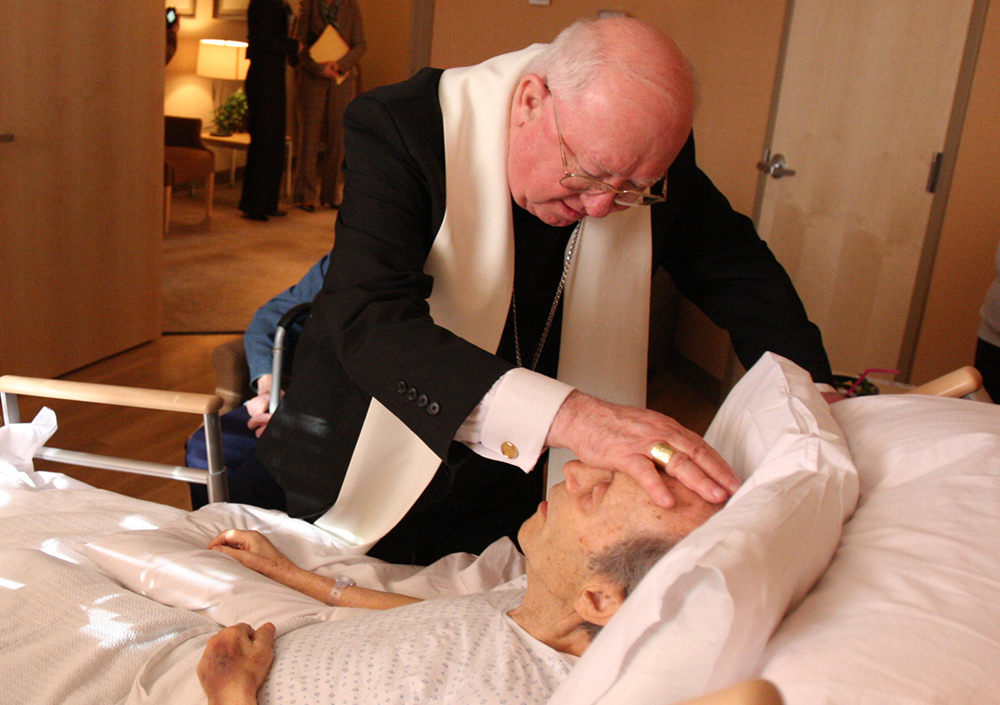
Of particular importance today, I think, is an appropriate understanding of the sacrament of the Anointing of the Sick. As I discuss in this week’s Catholicism In Focus, it is not one that many people quite understand, and their misunderstanding is among my largest pet peeves in the Church.
In short, the sacrament is meant for the sick, not just the dying. Don’t wait until the last moment, when someone is already unconscious, to receive this wonderful gift from God.
Five years ago, Pope Francis promulgated Laudato Si, the first ever encyclical devoted to the environment. It is a fantastic work of theology, looking to the signs of the times and offering a comprehensive approach to the ills facing our world.
If you haven’t read it yet, I cannot encourage you enough. It is really good. And incredibly important. And about more than just the environment.
Beyond this week’s Catholicism in Focus, which offers and overview, here are some of my favorite passages:
The social environment has also suffered damage. Both are ultimately due to the same evil: the notion that there are no indisputable truths to guide our lives, and hence human freedom is limitless. We have forgotten that “man is not only a freedom which he creates for himself. Man does not create himself. He is spirit and will, but also nature”. (#6)
If we approach nature and the environment without…openness to awe and wonder, if we no longer speak the language of fraternity and beauty in our relationship with the world, our attitude will be that of masters, consumers, ruthless exploiters, unable to set limits on their immediate needs. By contrast, if we feel intimately united with all that exists, then sobriety and care will well up spontaneously. (#11)
The climate is a common good, belonging to all and meant for all. At the global level, it is a complex system linked to many of the essential conditions for human life. (#23)
There has been a tragic rise in the number of migrants seeking to flee from the growing poverty caused by environmental degradation. They are not recognized by international conventions as refugees; they bear the loss of the lives they have left behind, without enjoying any legal protection whatsoever. Sadly, there is widespread indifference to such suffering, which is even now taking place throughout our world. (#25)
The human environment and the natural environment deteriorate together; we cannot adequately combat environmental degradation unless we attend to causes related to human and social degradation. In fact, the deterioration of the environment and of society affects the most vulnerable people on the planet… The impact of present imbalances is also seen in the premature death of many of the poor. (#48)
Since everything is interrelated, concern for the protection of nature is also incompatible with the justification of abortion. How can we genuinely teach the importance of concern for other vulnerable beings, however troublesome or inconvenient they may be, if we fail to protect a human embryo, even when its presence is uncomfortable and creates difficulties?” (#120)
“There is a tendency to justify transgressing all boundaries when experimentation is carried out on living human embryos. We forget that the inalienable worth of a human being transcends his or her degree of development.” (#136)

 Breaking In The Habit